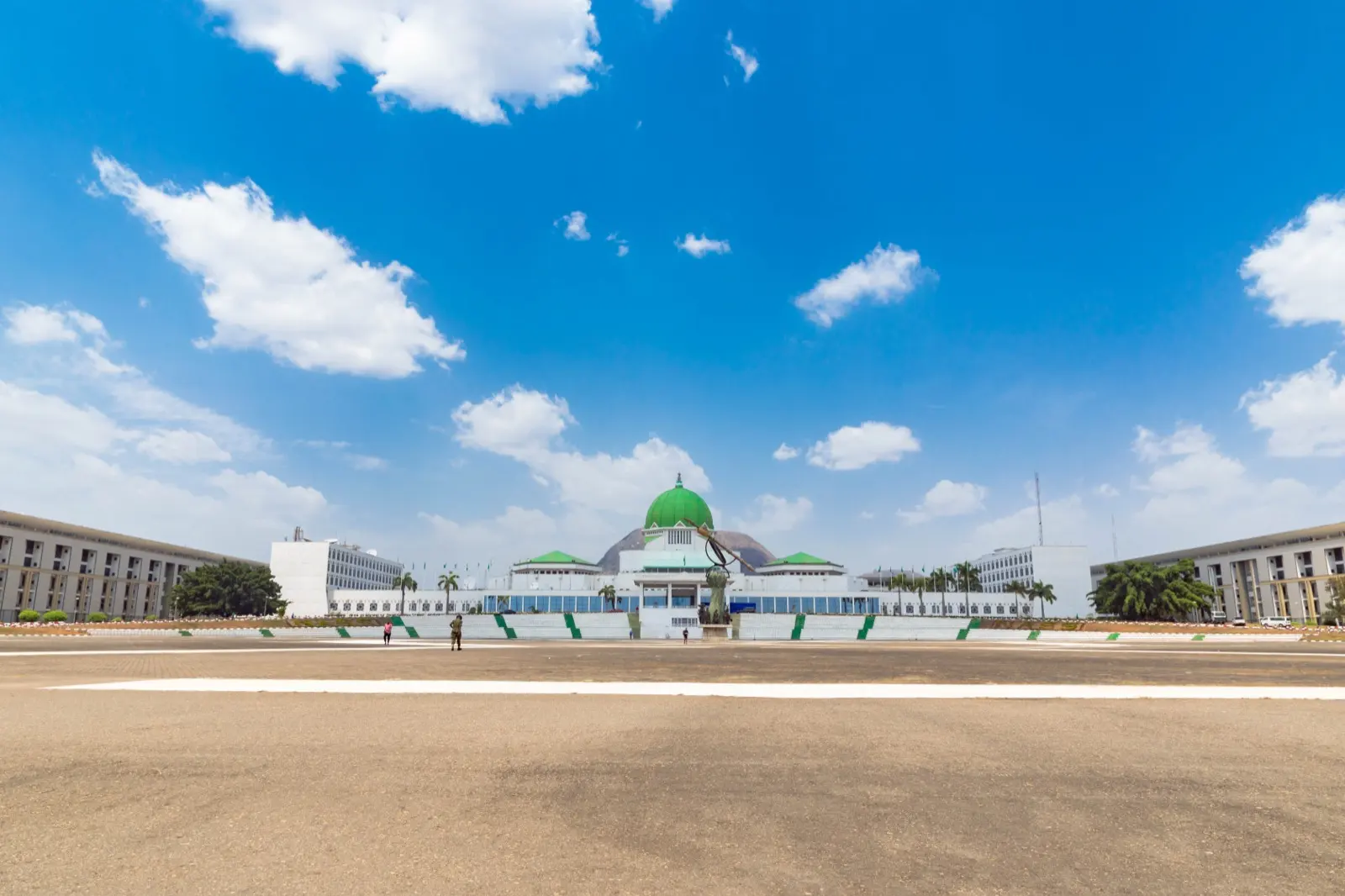
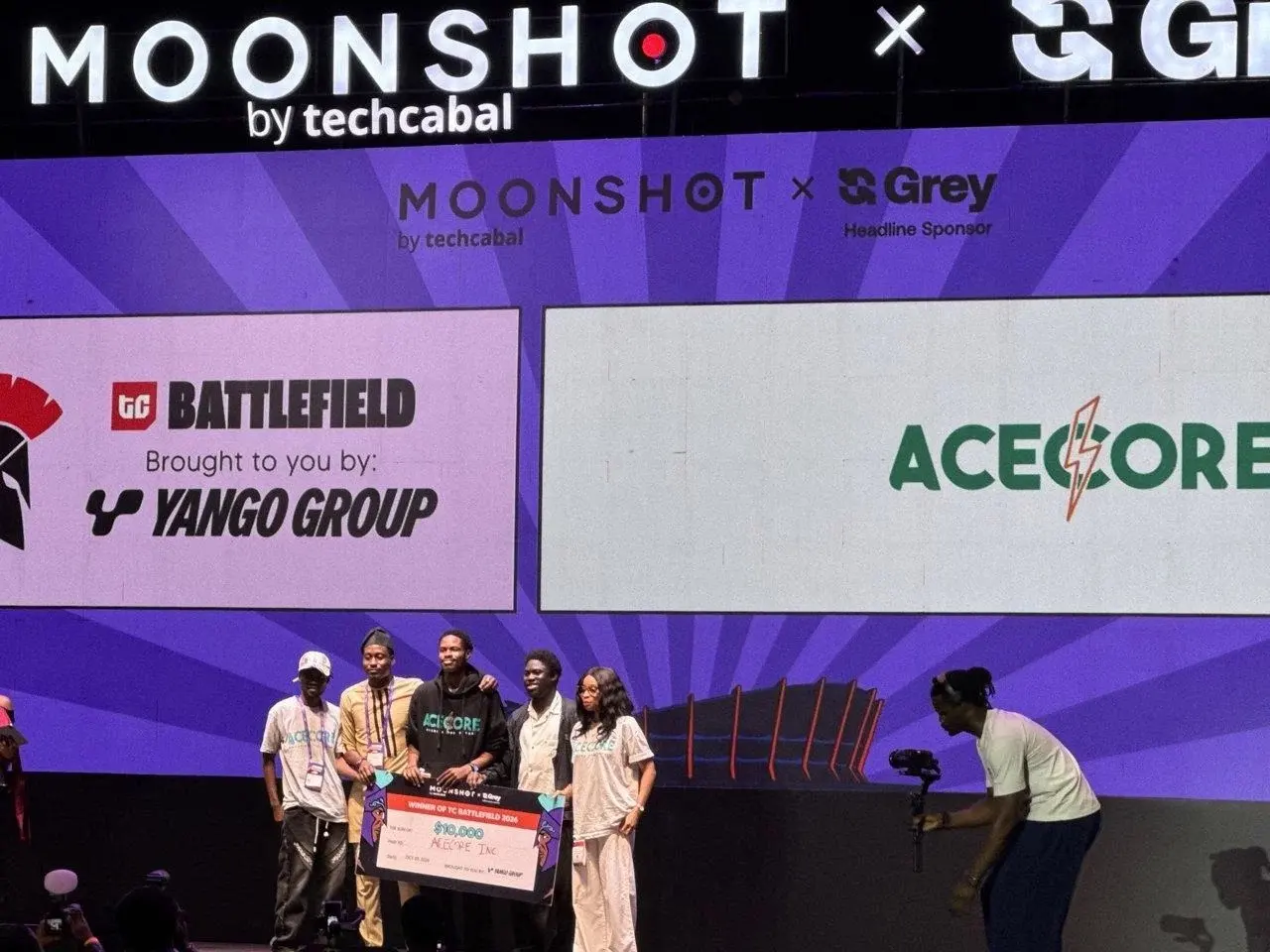
A startup that builds home batteries in Nigeria has won this year's TC Battlefield, the pitch competition at Moonshot by TechCabal. Acecore took the $10,000 grand prize at the National Theatre in Lagos on 29 October, the second day of the conference, TechCabal reported on Tuesday.
Supplya, which gives informal retailers stock on credit, came second and won $5,000. Navidyn, which builds underwater robots to inspect offshore oil and gas sites, came third with $2,500. They were picked from 10 finalists that also included Growwr, Kuraway, Fertitude, Lena, QiqiFarms, Riwe and Swiftway Shippers.
Built in Nigeria, priced against imports
Acecore sells an all-in-one solar battery system and a smart socket that lets users control their appliances. The Start Up Energy Transition awards, which list the Port Harcourt company among their 2026 finalists, describe the battery as the Powercell, paired with an app called Powercore that monitors the system and predicts maintenance.
Founder and chief executive Caleb Iwuoha told the judges that the casing and the battery management software were "all built here in Nigeria by our very own hands." The company says its system costs more than 20% less than comparable products, and that a partner bank lets customers pay in instalments.
Price drew the hardest questions. One judge pointed out that imported Chinese systems land in Nigeria at a price similar to Acecore's, which starts at about $5,250, and asked about its unit economics. Iwuoha said the company runs a 62% margin. Nigeria imported 1,721 megawatts of solar panels from China in the 12 months to June 2025, the second most in Africa after South Africa, according to figures from the energy think tank Ember cited by TechCabal.
Acecore has been building a record in local competitions. In July, Iwuoha was the second-highest scorer among the 15 national finalists of the Innovate Naija Challenge run by NASENI and AfriLabs, with the Powercell and Powercore app.
 More from StartupsOnly 15% of African AI Startups Are Profitable, Study FindsA GIZ and Briter study of 311 African AI companies finds dollar-priced compute is the biggest cost, while most sell for under $2,500 a year.
The other winners
Supplya says it has extended more than $150,000 in credit to small shops since October 2024, and that 98% has been repaid. Navidyn's co-founders argued that Africa, after funding fintech, logistics, agriculture and education startups, should now back advanced AI and robotics. The company says a Sahara Group representative gave it a $5,000 inspection job before its product was ready.
Navidyn, Supplya and the women's health app Fertitude also won places in Antler's residency programme, where they can raise up to $250,000 in pre-seed investment. The judges were Folakemi Osho of HoaQ, Elijah Shokenu of SWIT, Kosen Kenta of Antler and Adeniyi Adebayo of Yango Group, which sponsored the competition. Moonshot's headline sponsor was Grey, which used the stage to launch its Paycheck salary account.