Nigeria's telecom operators are pushing back a day before their chief executives are due in front of lawmakers. Gbenga Adebayo, chairman of the Association of Licensed Telecommunications Operators of Nigeria (ALTON), says summoning the bosses of MTN, Airtel and Globacom over poor networks will not fix the problem, and that the summons itself raises "serious constitutional questions" about how far the National Assembly's investigative powers go, ThisDay reports.
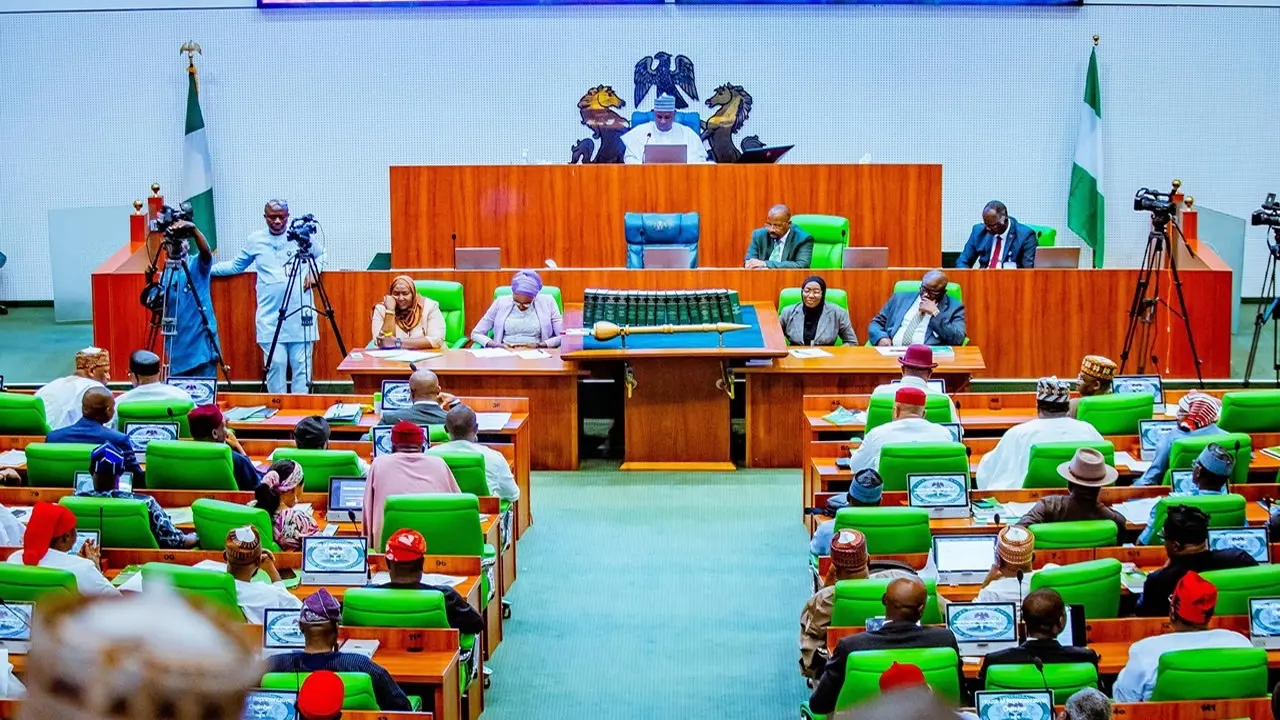
The House of Representatives ad hoc committee on telecommunications service quality, chaired by Rep. Olumide Osoba, first summoned the chief executives of MTN Nigeria, Airtel Nigeria, Globacom and Mafab Communications for 28 October. At that hearing, lawmakers refused to let Adebayo speak for the operators and insisted that the chiefs appear in person by 4 November, threatening arrest warrants for any who fail to show, according to Punch.
The constitutional argument
ALTON's case rests on Sections 88 and 89 of the 1999 Constitution, which give the National Assembly investigative powers for set legislative purposes. Adebayo told journalists at the weekend, ThisDay reports, that the question is whether those powers stretch to compelling privately owned, licensed companies to account for their operations when service quality already falls under the sector regulator. The association set out its concerns in a letter to the committee dated 20 October, and has had a suit pending at the Federal High Court since 2018 asking for a ruling on the Assembly's oversight of telecom operators.
He cited earlier rulings on the limits of legislative probes of private firms, including cases involving DHL, Shell and Stanbic IBTC, and a related appeal at the Supreme Court. "These are not questions that should be settled through threats of arrest or institutional confrontation," he said.
 Related · InnovationReps Bill Proposes ₦1bn Fines for Offshore Payment DataA new House bill would create a payment data commission, fine banks and fintechs ₦1bn for hosting abroad and jail unauthorised transfers for up to 10 years.
What the operators blame
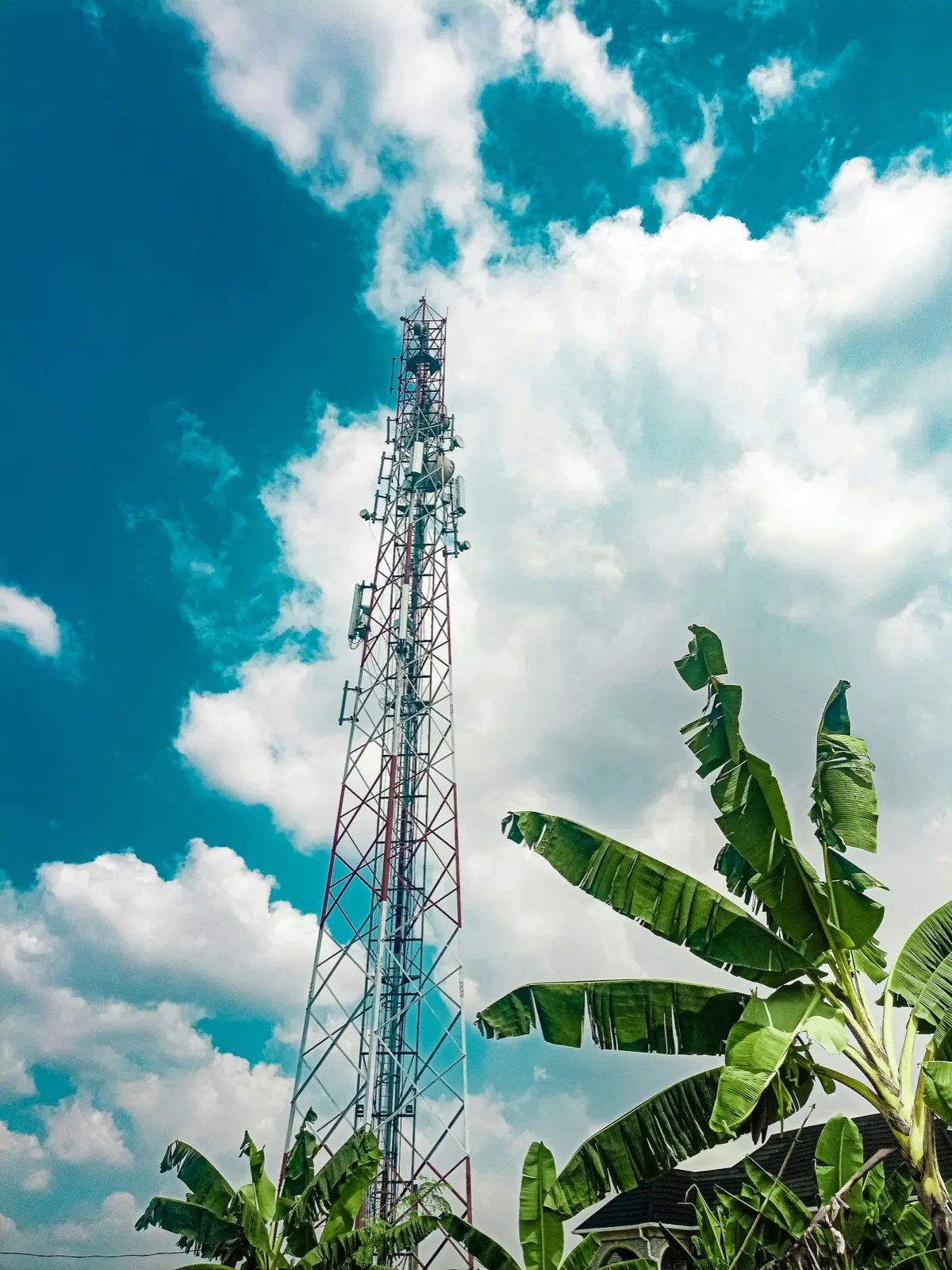
In a statement to Punch on Monday, Adebayo listed the problems he says hold networks back: fibre cuts and vandalism, inconsistent right-of-way charges, multiple taxation, unreliable electricity, bureaucratic delays and insecurity around telecom sites. "Sanctions alone cannot build fibre networks, provide electricity to base stations, prevent vandalism or facilitate access to infrastructure," he said. He did not reject hearings outright, calling them useful tools of accountability, but said the Assembly "should complement, rather than duplicate, the work of the regulator", the Nigerian Communications Commission.
Lawmakers see it differently. Each operator holds its own licence and should answer for its own service rather than send an industry body, they argued at the 28 October hearing; House spokesman Akin Rotimi said subscribers deal with individual providers and should be able to hold them to account, Punch reports. The pressure has already moved one operator: Airtel opened its network map to customers two days after that hearing.