
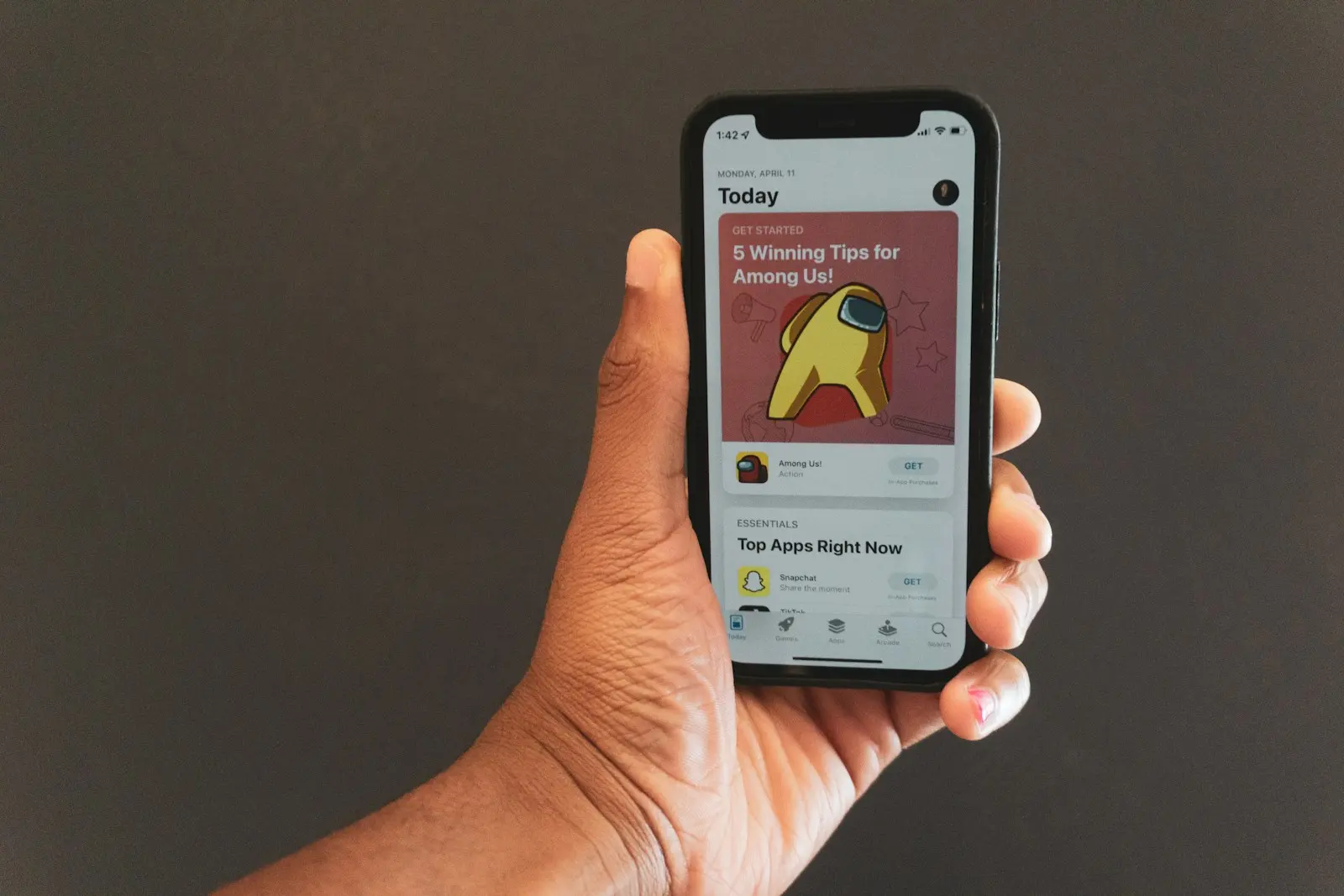
More than 400 apps and websites that passed as everyday AI tools were hiding a service for making sexually explicit and violent deepfakes, according to an investigation published by WIRED on 2 November. The apps sat in Apple's App Store and Google Play, took payments through Apple Pay and Google Pay, and were advertised with explicit video ads on Facebook and Instagram.
One example was Viefur, which presented itself as a pet-portrait app that dresses animals in human clothes. Others claimed to be language tutors or AI workout coaches. Under certain conditions, the apps quietly loaded a hidden web interface with dozens of pornographic templates into which users could upload photos of real people, paying with in-app coins.
How the apps got past review
Paul Bouchaud, a lead researcher at the nonprofit AI Forensics who reverse engineered the apps, told WIRED that each download sends the server details such as where the user came from and their language, and the server decides whether to show the harmless version or the explicit one. One trigger appears to be installing the app after tapping one of the network's ads on Meta's platforms. Reviewers who downloaded the apps saw only the advertised features.
A staff researcher at security firm Infoblox identified almost 500 linked domains running the same code. WIRED says the apps and domains appear to be run by Chinese developers and a Hong Kong-registered company, KeLing Technology Limited, which did not respond to requests for comment. Bouchaud's research found 27 of the apps live on Google Play in September, with more than 350,000 downloads between them; one, DiffAI, had passed 100,000 downloads before it was removed.
 Related · AI and Tech StakApple Posts Record $114.5B Quarter as iPhone Jumps 17%A record quarter in John Ternus's first as CEO, but Apple's holiday forecast of 7% to 10% growth fell short of the 11.4% Wall Street wanted.
What the platforms say
Apple removed 19 apps, including Viefur, after WIRED shared the domains. Its spokesperson said the apps complied with its rules when reviewed, and that the developers later swapped the content the apps pulled from their websites and promoted them through pornographic ads on a third-party platform. Apple says it has suspended tens of thousands of apps for this kind of bait-and-switch over the past year and recently tightened its rules on nudify tools, 9to5Mac reports.
Google did not comment, but had removed most of the apps before WIRED contacted it. Meta says it banned KeLing from advertising in 2025, and that it has since acted against 11,600 ad accounts, more than 4,700 business pages, 5,200 users and 15,000 pages linked to the domains, and blocked 209 apps from advertising. WIRED reports that similar ads and apps were still being published as it finished its reporting.