
More than three in four people on Earth now use the internet, but Africa is still the region furthest behind. The International Telecommunication Union, the UN's agency for telecoms, published Facts and Figures 2026 on Tuesday. It estimates that 6.3 billion people, or 76% of the world's population, are online this year, up from a revised 6.1 billion (74%) in 2025. About 2 billion people remain offline.
According to the report, only 42% of people in Africa use the internet. That compares with 87% to 93% in the CIS, Europe and the Americas, 80% in Asia-Pacific and 74% in the Arab States.
Rich and poor, town and village
The divide follows income. ITU puts internet use at 93% in high-income countries and 32% in low-income countries, according to its press release. Globally, 82% of people in towns and cities are online against 63% in rural areas. In Africa, urban residents are still 2.2 times as likely to use the internet as rural ones, down from 3.1 times in 2023, the urban and rural chapter says.
Men are still ahead: 79% of men use the internet against 74% of women. Young people are the most connected group, with 86% of 15 to 24-year-olds online, compared with 74% of everyone else.
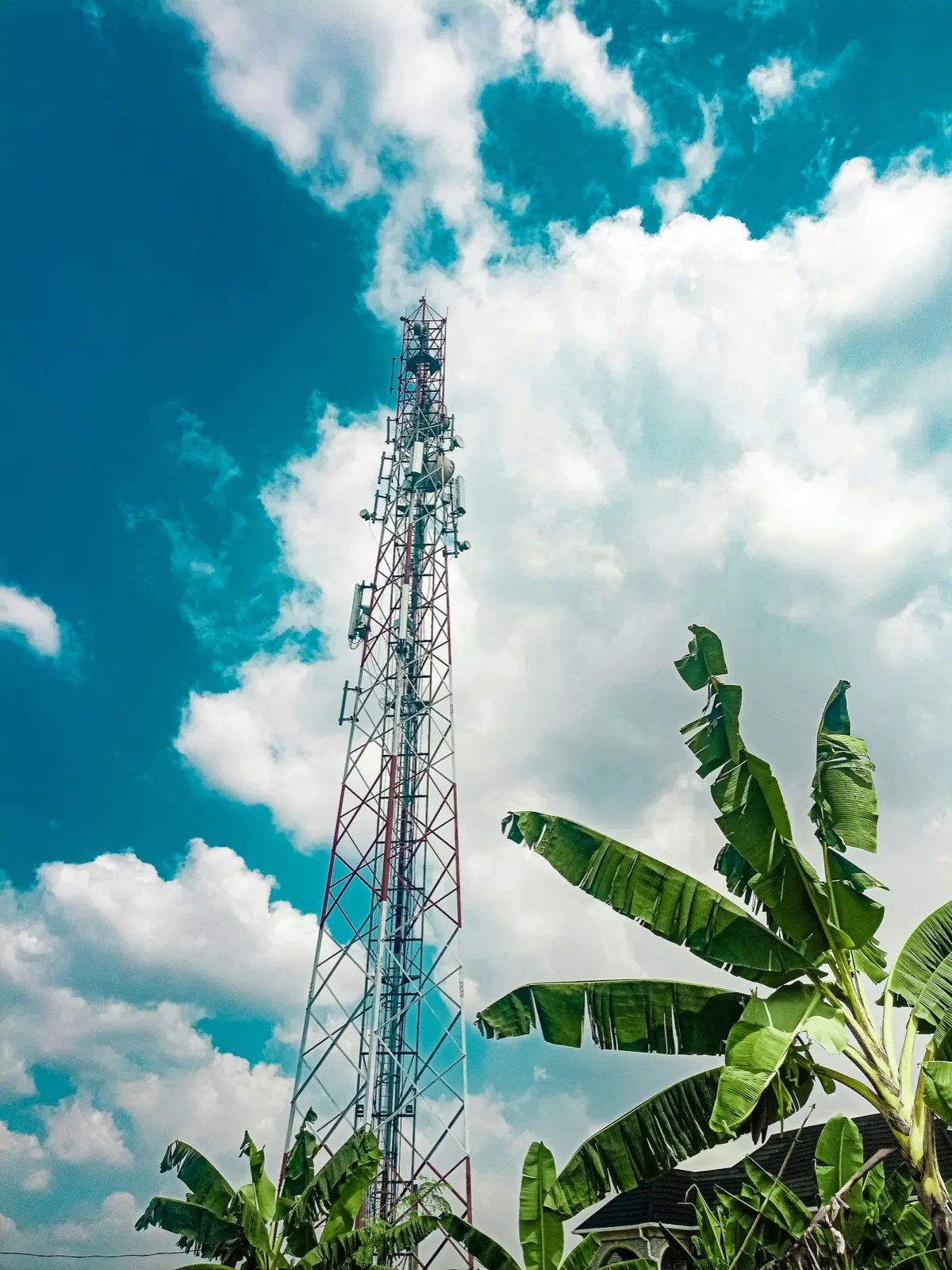 Related · InnovationTelcos' Body Says Summoning CEOs Won't Fix Bad NetworksA day before MTN, Airtel and Glo's chiefs are due before the House, ALTON questions the summons and blames vandalism, power and taxes for poor service.
Networks and data
Coverage is no longer the main reason most people are offline: 97% of the world's population lives within reach of at least a 3G network. Newer networks are another matter. 5G now covers 59% of the world but only 15% of Africa, and just over half of all the people with no mobile broadband network at all live in Africa, according to the coverage chapter.
People who are online also use far less. A mobile broadband subscription in a high-income country carried 20GB of traffic a month on average, against 3.4GB in a low-income country. Mobile phone ownership among people aged 10 and over is 84% worldwide, but 57% in low-income countries.
Prices keep falling. The global median price of a data-only mobile broadband basket is 1.2% of monthly income per person (gross national income per capita), below the UN's 2% affordability target, and fixed broadband is 2.3%. In the least developed countries, mobile broadband still costs a median 6.1%, and three in ten economies meet neither the mobile nor the fixed target, ITU says.
ITU Secretary-General Doreen Bogdan-Martin said that in the age of AI, being offline cuts people off from education and jobs. BusinessDay, which reported the figures on Tuesday, framed the gap as a widening divide between rich and poor countries.