
Instagram is going long. The Meta-owned app announced on 26 October that it is testing "Features", a new upload type for videos up to 90 minutes long, TechCrunch reports. After years of every platform chasing short vertical video, it is a clear change of course.
Alongside it, Instagram is testing "Clips as Reels", which lets creators cut Reels from a long video and link viewers through to the whole thing. Viewers can also send the long video to Instagram's TV app. Both tools are being tested in Brazil and are expanding to a small test in the US. Instagram is also working on better discovery for Live video and a profile hub for episodic Reels.
A U-turn from the top
"For a long time, I have been against doing long-form video on Instagram," said Instagram head Adam Mosseri, who argued that short content such as Reels drives more shares and messages. Instagram tried long video once before with IGTV, which it later shut. Vice president of product Tessa Lyons, who pushed for the change, said Reels stays core, "but when you want to go deeper with the creators you love... you should be able to do that on Instagram."
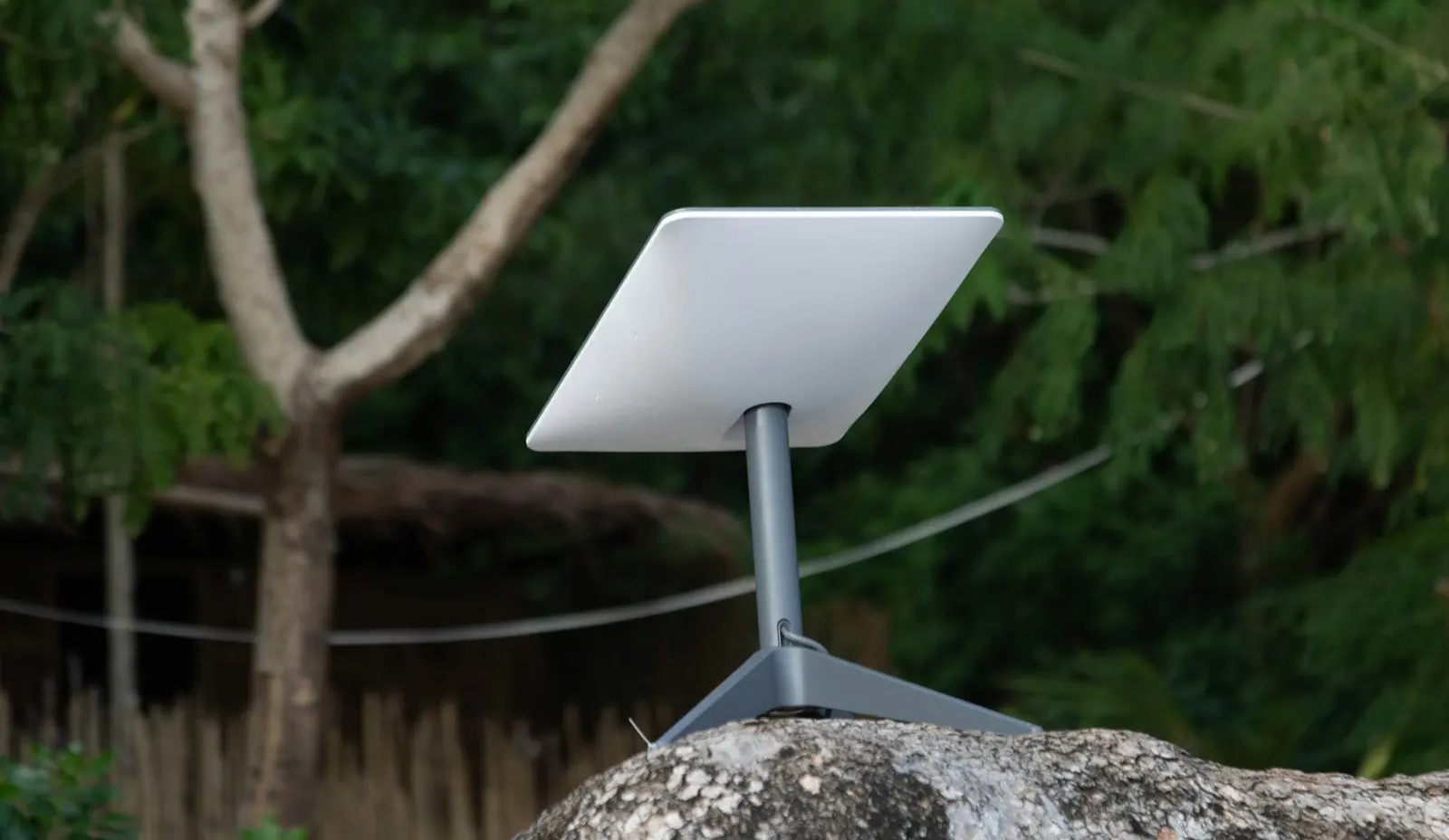 More from Growth StakAd Auctions Were Used to Track Starlink UsersAn Israeli ad-tech firm topped bidding for ads aimed at Starlink users in over 100 countries, including South Sudan and Libya, researchers and sources say.
The money question
The bigger issue for creators is pay. Mosseri said Instagram creators are paid mainly by brands, some by fans, and that its performance-based programme is small because "we spend more money than we make back by a long shot". YouTube shares 55% of ad revenue with creators in its Partner Programme and says it paid out more than $100 billion to creators, artists and media companies over four years, according to TechCrunch.
"It's too early to share a long-term monetization model, but we're exploring ways for creators to earn from brands, fans, and Instagram, including performance-based incentives," a Meta spokesperson told TechCrunch.
For creators and brands in African markets, where Instagram is often the main storefront, the format is not yet available. When it arrives, the near-term payer is still likely to be the brand partner, not the platform.