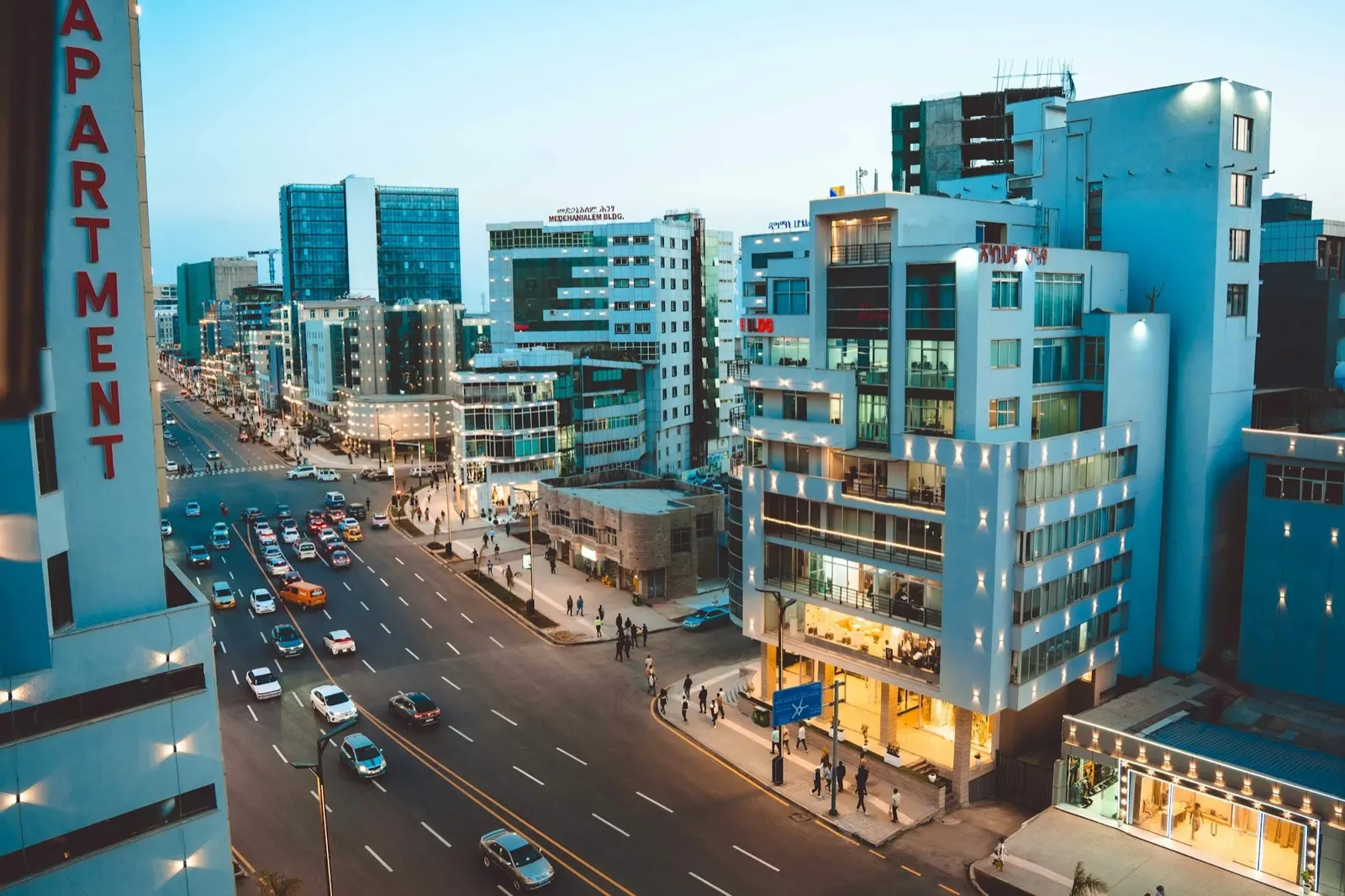
Ethiopia has done something South Africa has not: made electric cars the norm in new car sales. The first Electrification Competitiveness Index, published on 27 October by the We Mean Business Coalition with support from US non-profit RMI, says EVs made up 60% of new passenger car purchases in Ethiopia in 2024, after the country banned imports of combustion-engine vehicles.
The index scores 16 countries on deployment, meaning how much electrification is happening, and enablers, meaning whether policy and markets support more. China leads on deployment at 68%. Across the sample the median enablers score is 67% against 45% for deployment, a gap the coalition calls a widespread implementation problem.
Two African countries, two groups
Ethiopia sits in the "risk of stalling" group with the US, Australia, Brazil and South Korea: deployment is at or above halfway, but enabling conditions are below the median. Only about 60% of Ethiopians have access to electricity, the coalition notes. The International Energy Agency puts Ethiopia's EV share nearer half and says estimates vary widely, and EVs are just under 6% of vehicles on the road, according to government figures cited by Bloomberg, TechCentral reports.
South Africa is in "early-stage adoption" with Indonesia and the Philippines, below halfway on both measures. Clean power is 18% of its generation and grid investment is below 0.4% of GDP, against a 0.65% average across the sample. It scores 3 out of 20 on transport deployment, joint second-lowest, according to TechCentral.
 Related · InnovationFNB Fined R1 Million After App Exposed Home Loan DataThe Information Regulator says a misconfigured FNB app let 696 customers see 88 people's home loan applications, and that FNB ignored two warnings.
What the index asks for
- EV import duties at or below those on petrol and diesel cars.
- Continued unbundling of Eskom and delivery on transmission targets.
- Use of the credit guarantee vehicle the Treasury is setting up with the World Bank Group to fund grid build-out.
"On the current trajectory, the new grid infrastructure is unlikely to be operating by the end of the decade," Business Leadership South Africa chief executive Busi Mavuso said, as quoted by TechCentral. The report also flags "medium" data-quality concerns for South Africa.