El Niño is a warming of the Pacific Ocean, thousands of kilometres from Lusaka or Nairobi. This year's is exceptionally strong, and its effects are already showing up in African power plans, crop forecasts and budgets. Pacific temperatures could run up to 3.8°C above average from November to January, the World Meteorological Organization says, against about 3°C in the strongest past events, according to The Weather Company. The African Development Bank estimates it will cost African countries $10 billion to $20 billion and cut their GDP by 1% to 2%.
It does not hit the continent evenly. It splits it.
1. Power: less water for the turbines
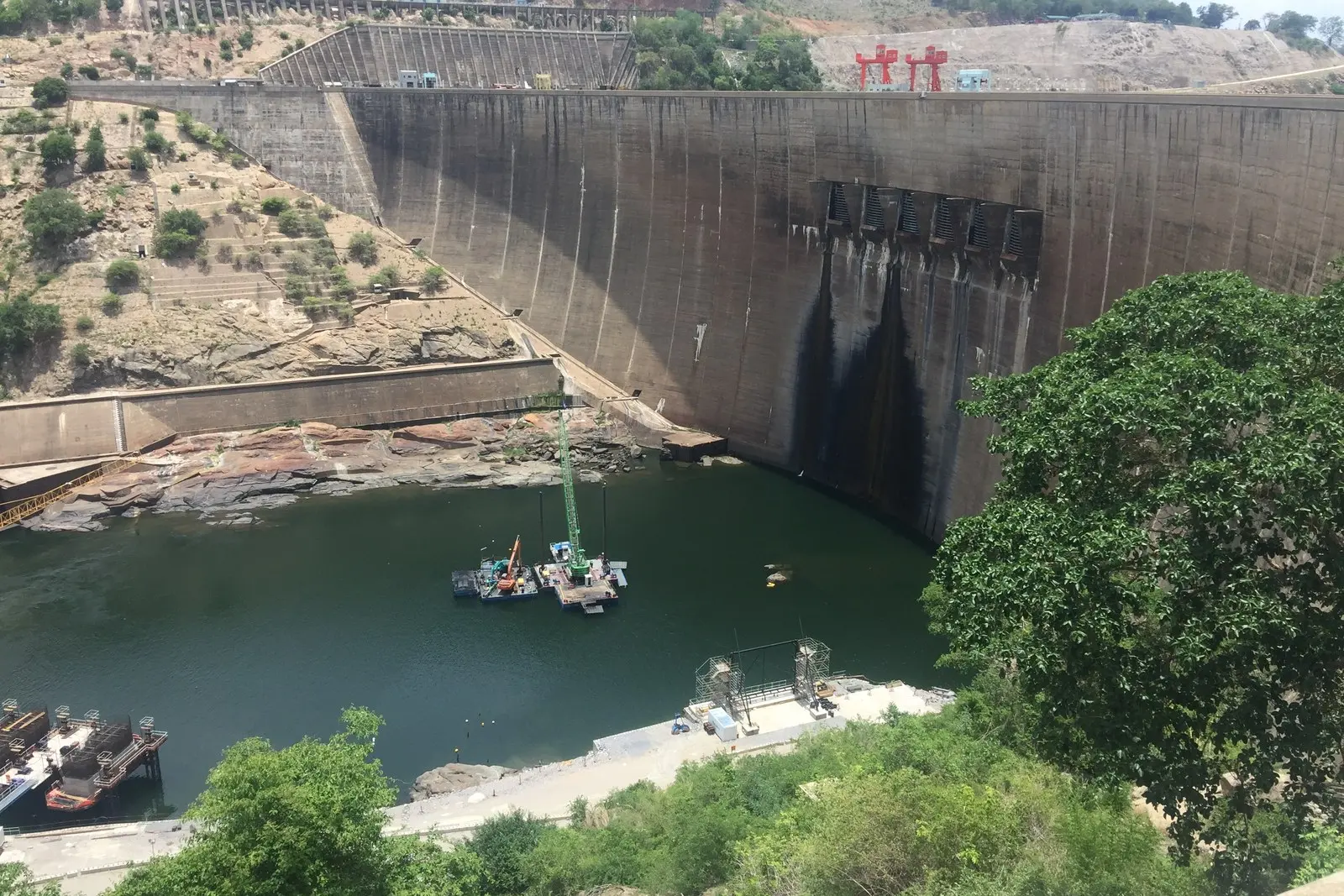
Zambia and Zimbabwe share the Kariba Dam on the Zambezi, and both lean on it for electricity. On 14 October the Zambezi River Authority cut the water it will release for power in 2027 to 23 billion cubic metres, from 36 billion this year, split equally between Zambia's ZESCO and the Zimbabwe Power Company, News Diggers reports. The authority cited the forecast of strong El Niño conditions and below-normal rain.
Less water through the turbines means less power, and in both countries that has meant load-shedding before. For telcos, data centres, factories and every business on the grid, it means more hours on diesel and solar, and higher costs.
 More from InnovationINTERPOL Cybercrime Sweep Nets 1,462 Arrests in AfricaOperation Serengeti III ran across 20 African countries and the US, recovered over $105 million and identified almost 66,000 victims of scams and ransomware.
2. Drought in the south, floods in the east
- Southern Africa: the IFRC sees a 70% chance that October to December rainfall shortfalls in southern Angola, southern Malawi, south-central Mozambique, southern Zambia and Zimbabwe will be worse than in any El Niño year since 1950, according to the Anticipation Hub.
- Horn of Africa: the regional climate centre ICPAC gives a 90% chance of heavier than usual rain over southern Ethiopia, central and southern Somalia and north-eastern Kenya, with a high chance of more than 400 mm around the Lake Victoria basin.
- Floods cut roads, delay deliveries and keep riders, drivers and shoppers at home, which hits logistics, e-commerce and ride-hailing first.
3. Prices: the bill comes in 2027
The worst effects on food come later than the rain. FEWS NET, the famine early warning network, expects southern Africa's hardest months to be the lean season of November 2027 to March 2028, and says South Africa's white maize price could peak between about April 2027 and early 2028, based on the last two strong El Niños. In every strong El Niño since 1980 except one, South Africa's maize crop came in 14% to 64% below normal. Higher food prices leave households less to spend on everything else, from data bundles to delivery.
- The Weather Company: WMO winter forecast and the African Development Bank estimate
- News Diggers: ZRA reduces Kariba water allocation over expected poor rainfall
- Anticipation Hub: El Niño 2026/27, no excuse for inaction (IFRC and ICPAC outlooks)
- FEWS NET: 2026-2027 El Niño food security impacts
- UN News: From drought to deluge, 'Super' El Niño's expanding reach