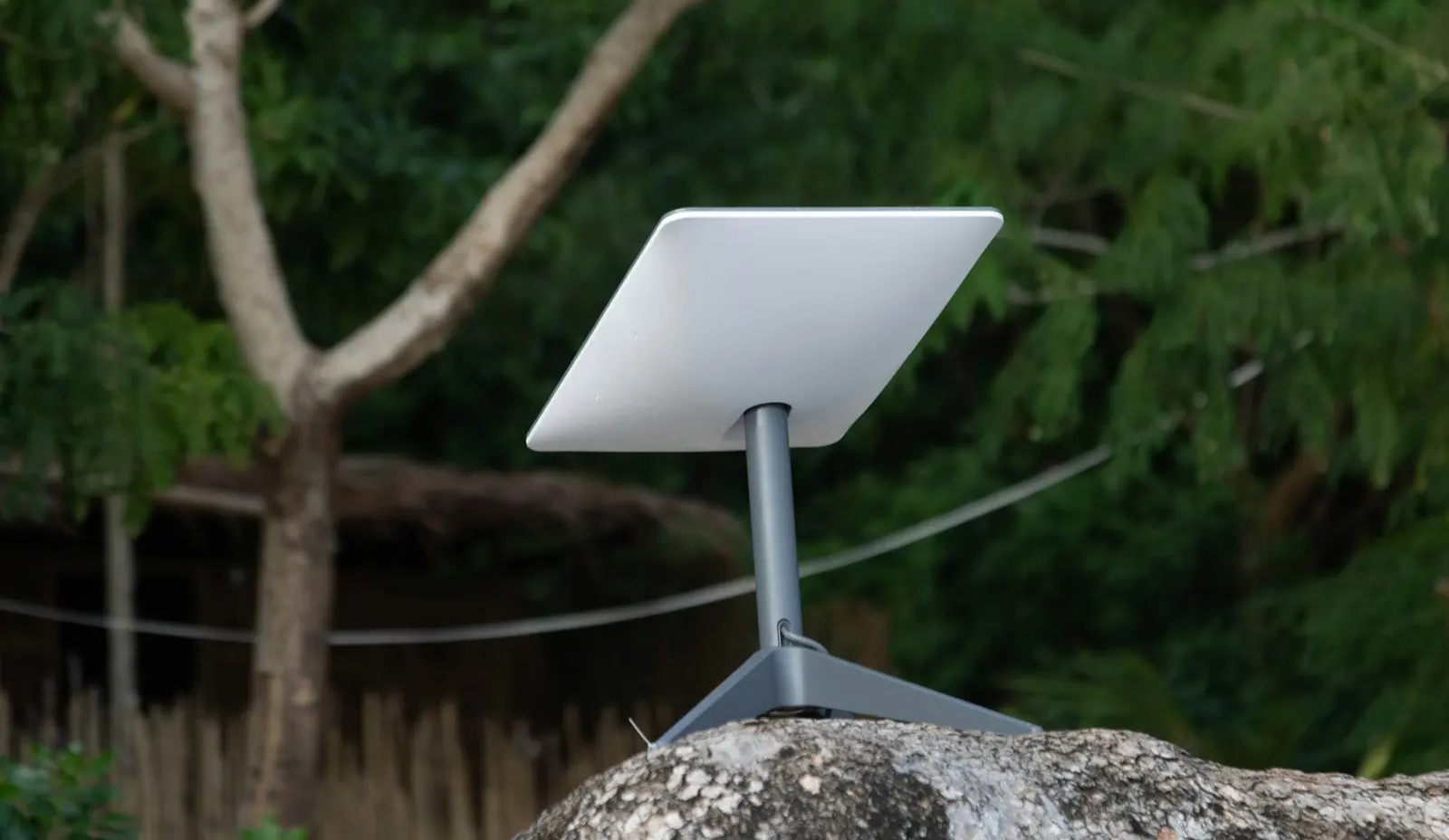
Online advertising was used to find and follow people using Starlink, Elon Musk's satellite internet service, according to a Reuters investigation published by TechCentral on 28 October. Six sources named Discover-Tech, an Israeli ad-tech company, as the main buyer of ads aimed at Starlink users.
Discover-Tech was the top bidder on Starlink traffic in more than 100 countries, including some where Starlink is banned or restricted, according to the report. It was the top buyer of such ads in Syria, Libya, Yemen and South Sudan, second in Afghanistan, and had an "implausibly dominant share" of bids in Hungary, Israel, Egypt, Azerbaijan and Venezuela. Its chief executive and SpaceX did not respond to requests for comment.
How an ad auction leaks data
Every time a page or app loads an ad, details about the user and device go out to bidders in a split-second auction, whether or not they win. Over time, bidders can collect and merge that data to de-anonymise users, follow them across the web and, in some cases, target them with surveillance software, the report says.
TrendAI, a unit of Tokyo-based Trend Micro, said in an October report that the company appeared to run "targeting and tracking infrastructure rather than a commercial advertising operation." Canada's Citizen Lab and New York ad-security firm Confiant named Discover-Tech the same day and said its ads appeared inside dozens of sensitive networks belonging to media organisations, governments and tech companies.
 More from Growth StakInstagram Tests 90-Minute Videos to Take On YouTubeInstagram's new Features format lets selected creators post videos up to 90 minutes long. What it has not settled is how those creators will get paid.
What it means for advertisers
Google, Comcast and other companies have removed Discover-Tech from their ad platforms, and at least one large US tech company and one international organisation have opened inquiries into whether staff were targeted. For brands and agencies, the lesson is that the bidstream their campaigns run on is also a data pipe. Questions worth putting to ad-tech partners include which bidders receive their audiences' bid requests, and what those partners do when one bids far beyond what normal advertising would justify.