South Africa's communications regulator wants every mobile number tied to a verified body. The Independent Communications Authority of South Africa (Icasa) published the Draft Numbering Plan Fifth Amendment Regulations, 2026, for comment on 29 October. The draft sets up a mobile subscriber registration regime aimed at consumer protection, better management of numbers and enforcement against unauthorised use, Icasa said.
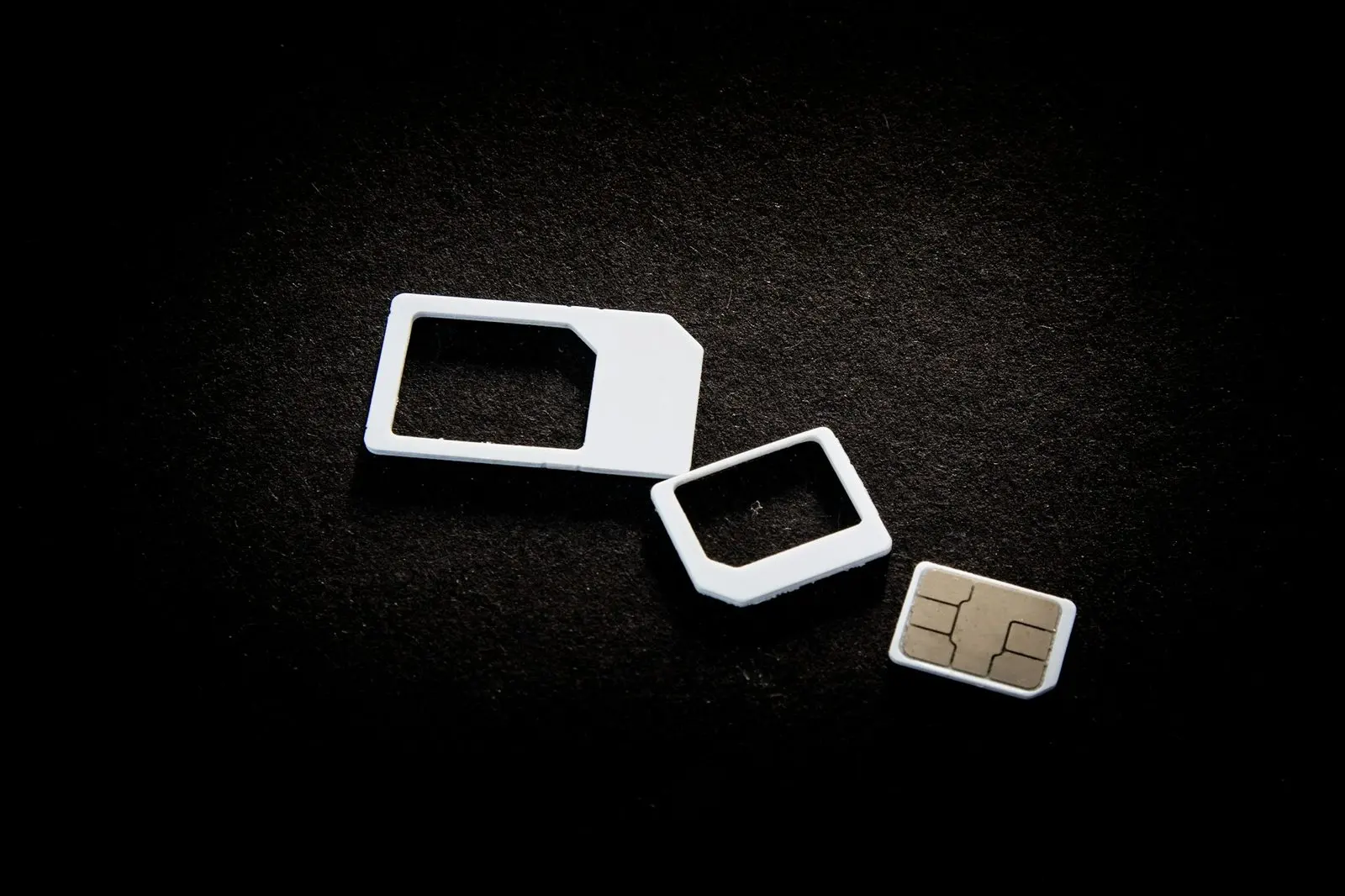
At its centre is biometric verification. Operators would have to check a subscriber "through biometric verification against the department of home affairs records", by fingerprint or face, when a number is activated or reactivated, TechCentral reported after reading the draft. A SIM swap would need the same check, and operators would have to refuse a swap if the person asking does not match the records of the number's owner.
What the draft would change
- Biometric checks for new numbers, reactivations and every SIM swap.
- Existing subscribers verified the same way within two years.
- A cap of five mobile numbers per subscriber at each operator; companies are exempt from the biometric checks but not from the cap.
- Numbers for foreign nationals other than permanent residents active only for the length of their visa, or 90 days.
- Biometric data used only for identity checks, and subscriber records deleted within 30 days of a number being deactivated, unless the law, a contract or the subscriber's consent requires keeping them.
The biometric rules and the five-number cap would take effect 12 months after final regulations are published, TechCentral reported. The draft does not make clear whether the two-year deadline for existing subscribers runs from publication or from that later date.
Fines are steep. Breaching the core verification rules, including approving a swap for a mismatched identity, would cost R2 million to R4 million per contravention. Failing to verify before a swap, or going over the five-number cap, would cost R1 million per contravention. The draft does not define what counts as one contravention, according to TechCentral.
Why Icasa wants it
The target is SIM-swap fraud, in which criminals take over a victim's number to intercept banking codes. Dikeledi Catherine Mushi, the Icasa councillor who chairs its numbering resources committee, told EWN's The Money Show that the regulator treats the problem as "number fraud" because it regulates numbers rather than SIM cards, and that "every number has to have somebody sitting behind it." She said a fingerprint check against Home Affairs records takes seconds, but operators will still need a customer's full details, because a fingerprint alone does not show who holds a particular number.
 Related · InnovationSouth Africa Could Switch Off 3G Within Two YearsVodacom's group CTO says 3G could go in 12 to 24 months if operators agree a date. Under 10% of devices on its network are 3G-only.
The prepaid problem
Most operators told Icasa last year that they had rolled out biometric verification, but the explanatory memorandum says it exists only for post-paid contracts, TechCentral reported. Prepaid is where the volume is: MTN alone puts about 90 million prepaid SIMs into the market a year, and its South African chief executive, Ferdi Moolman, said in August that the industry sells 200 million to 300 million. Checking each buyer in person at the point of sale would change how prepaid SIMs are sold over the counter.
This is not Icasa's first attempt. It introduced subscriber verification rules in March 2023 and suspended them without a start date. Biometric data is special personal information under POPIA, and the Information Regulator has said it may be processed only under the Act's exceptions, which is likely to be the main ground for objections.
What is still unknown
- The exact closing date for comments; Icasa's notice gives 30 days from publication.
- How Home Affairs' systems would handle checks at the scale of prepaid sales.
- Who pays for biometric readers at retail points of sale.