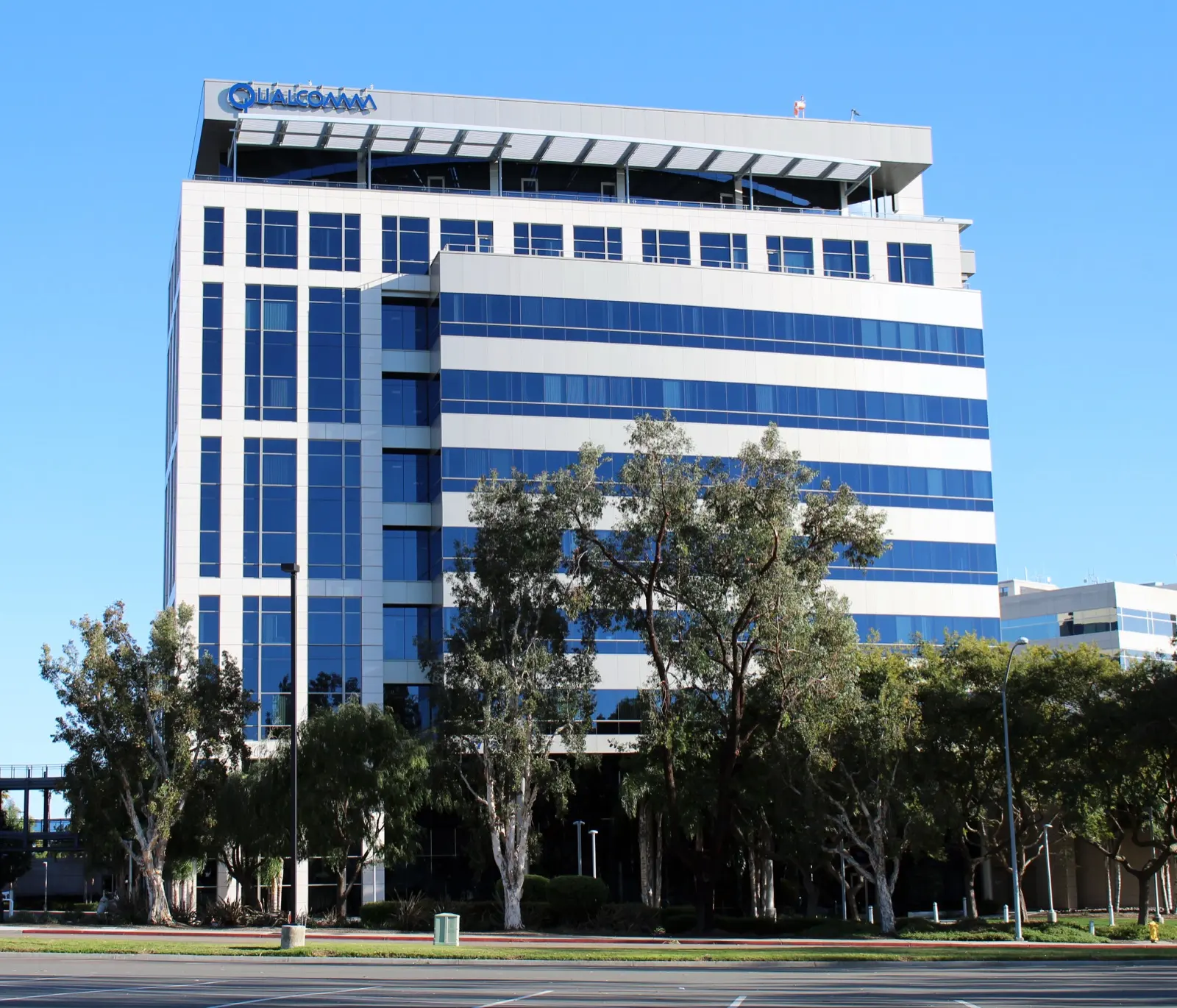
SpaceX has picked Qualcomm to supply the equipment at the heart of Starlink Mobile, the ground-based 5G network it plans to build across the United States. Qualcomm announced the multi-year deal on 4 November in a release on Business Wire. It said SpaceX plans to start the nationwide rollout in 2027, with tens of thousands of sites deployed over the life of the agreement.
Qualcomm will provide its Dragonwing QRU100 and QDU100 platforms and the Layer 1 software that runs on them. Together they handle the radio and baseband work inside a base station. Starlink's radios will use Massive MIMO units with 64 transmit and 64 receive paths, which Qualcomm says improves coverage, capacity and spectral efficiency. Financial terms were not disclosed. Qualcomm called it its "largest 5G initiative to date", CNBC reports.
"We shouldn't live in a time where phone calls are still dropping whether you're at home or on-the-go," Michael Nicolls, Starlink's senior vice president, said in the release. He said Starlink is building "the first fully-integrated nationwide satellite and terrestrial network".
From satellites to cell towers
Starlink has so far been a satellite business. Its direct-to-phone service cannot yet match the voice, video and data coverage of ordinary mobile carriers, CNBC notes, so SpaceX is adding cell towers on the ground. Starlink made up 36% of SpaceX's third-quarter revenue and 85% of its operating profit, according to CNBC. SpaceX went public in June and is now valued at close to $2 trillion.
Qualcomm's Durga Malladi told Light Reading that this is a full macro network, not small cells, and the company's biggest network deal since 3G. "This is huge," he said. Qualcomm supplies only the lowest layer of software; SpaceX will write the Layer 2 and Layer 3 software on top itself. Reports in recent days said SpaceX has been talking to US tower owners about up to 80,000 sites, which would give it a footprint similar to AT&T, T-Mobile or Verizon, Light Reading adds.
Spectrum is the open question. SpaceX bought 50MHz of 2GHz spectrum plus 15MHz of uplink spectrum from EchoStar in September 2025, and 14MHz of 800MHz spectrum from Grain Management in October 2026, about 80MHz in all, Light Reading reports. That is a fraction of what the big US carriers hold. SpaceX is also reported to be in talks to buy EchoStar's Boost Mobile, according to CNBC, which cites the Washington Post. SpaceX had not commented publicly.
 More from AI and Tech StakFG Pays ₦50,000 Relief Through OPay, Moniepoint, MoMoThe NERSI cash transfer goes straight into mobile wallets run by five licensed providers, with consent by SMS and USSD codes that work on basic phones.
Why it matters here
Nigeria was the first African country to get Starlink, in January 2023, TheCable reported at the time. Today it sells satellite internet here, not phone service, and nothing in this deal brings Starlink Mobile outside the US. But the direction is clear: a company that started by selling dishes now wants to be a mobile operator. Amazon is preparing its own satellite challenge here, after its Leo service won a Nigerian landing permit, and lawmakers are pressing MTN, Airtel and Glo over network quality, as TheStak reported.
- Qualcomm via Business Wire: SpaceX Selects Qualcomm to Accelerate Starlink Mobile's Nationwide 5G Network
- CNBC: SpaceX signs deal with Qualcomm to provide network technology for U.S. mobile service
- Light Reading: SpaceX boldly goes into 'huge' 5G network rollout with Qualcomm
- TheCable: Elon Musk's Starlink now active in Nigeria, first country in Africa