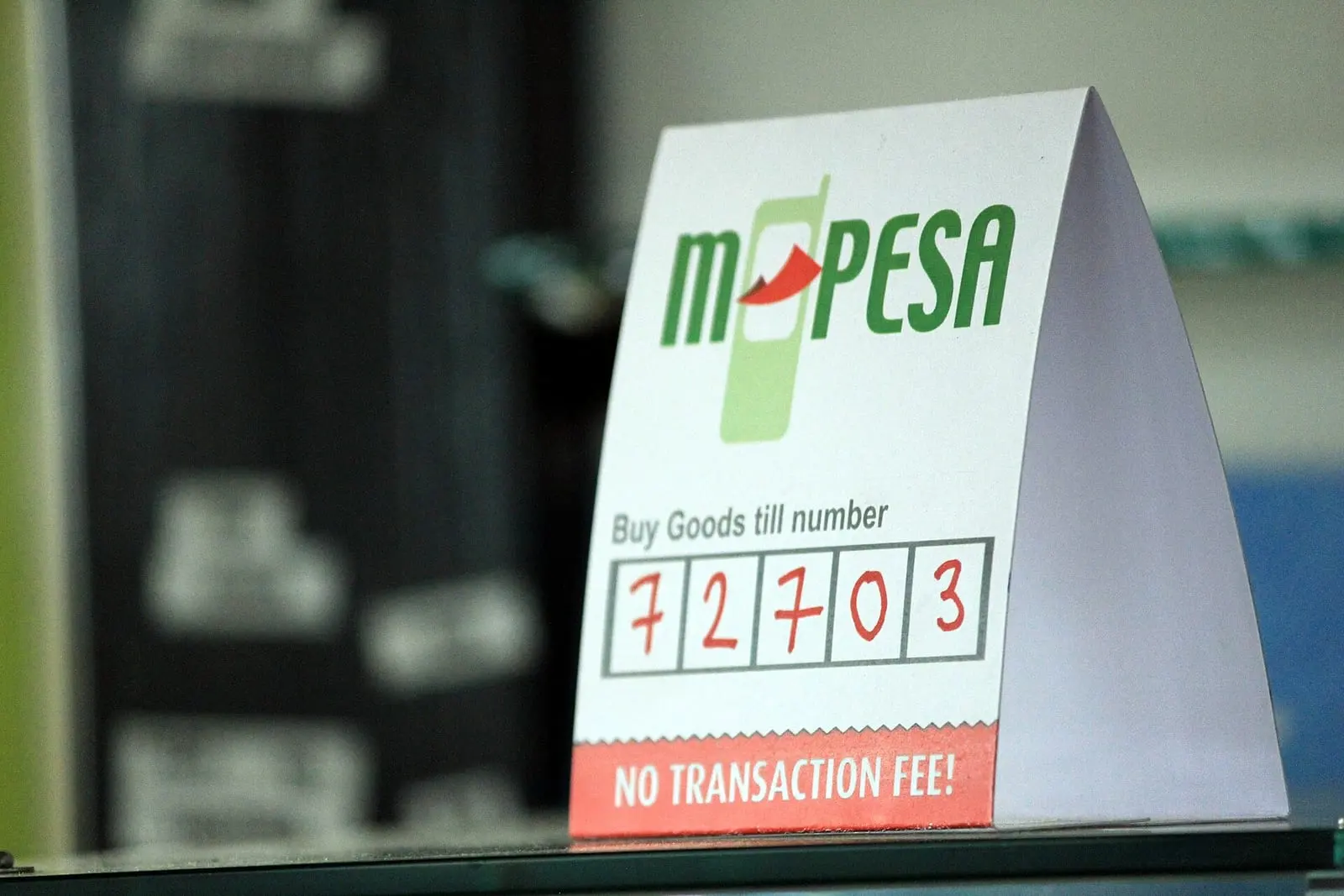
M-PESA is the most studied fintech in Africa, and its growth playbook is still the clearest. By 2015 it was used by more than two-thirds of Kenyan adults and supported by more than 85,000 agents, according to FSD Kenya.
Move 1: Watch what users do, not what you planned
The pilot that began in late 2005 was designed to let people repay microfinance loans by phone. Working closely with users in the field, the team noticed something bigger, FSD Kenya reports: many Kenyans living in cities support family "up country," and sending them money was a real headache. Safaricom launched around that need instead.
Move 2: Sell one job in three words
M-PESA launched in March 2007 focused on its core transfer function, marketed as "Send Money Home." The first product was deliberately simple: cash in, cash out, send to another number and buy airtime. It reached 2 million customers in less than a year, according to FSD Kenya.
Move 3: Build the cash network first
Digital money is useless if you cannot turn it into cash. Safaricom paid small shops a fee every time they swapped cash for M-PESA value, which turned small shops and kiosks into a national network. Agents went from about 450 in mid-2007 to over 18,000 locations by April 2010 and 40,000 by April 2016, the Centre for Public Impact reports.
Move 4: Bring the regulator in early
In 2007 Kenya had no rules for mobile money. The Central Bank of Kenya took a risk-based approach and let the service launch, FSD Kenya notes. Close work with the regulator turned a legal grey area into a licence to grow.