
OPay's monthly active transacting users rose from 25.13 million in 2024 to 39.32 million in 2025, and its gross transaction value more than doubled to $358 billion, according to company figures reported by Innovation Village. It got there with a few repeatable moves, and by abandoning a lot of expensive ones.
Move 1: Put people where the cash is
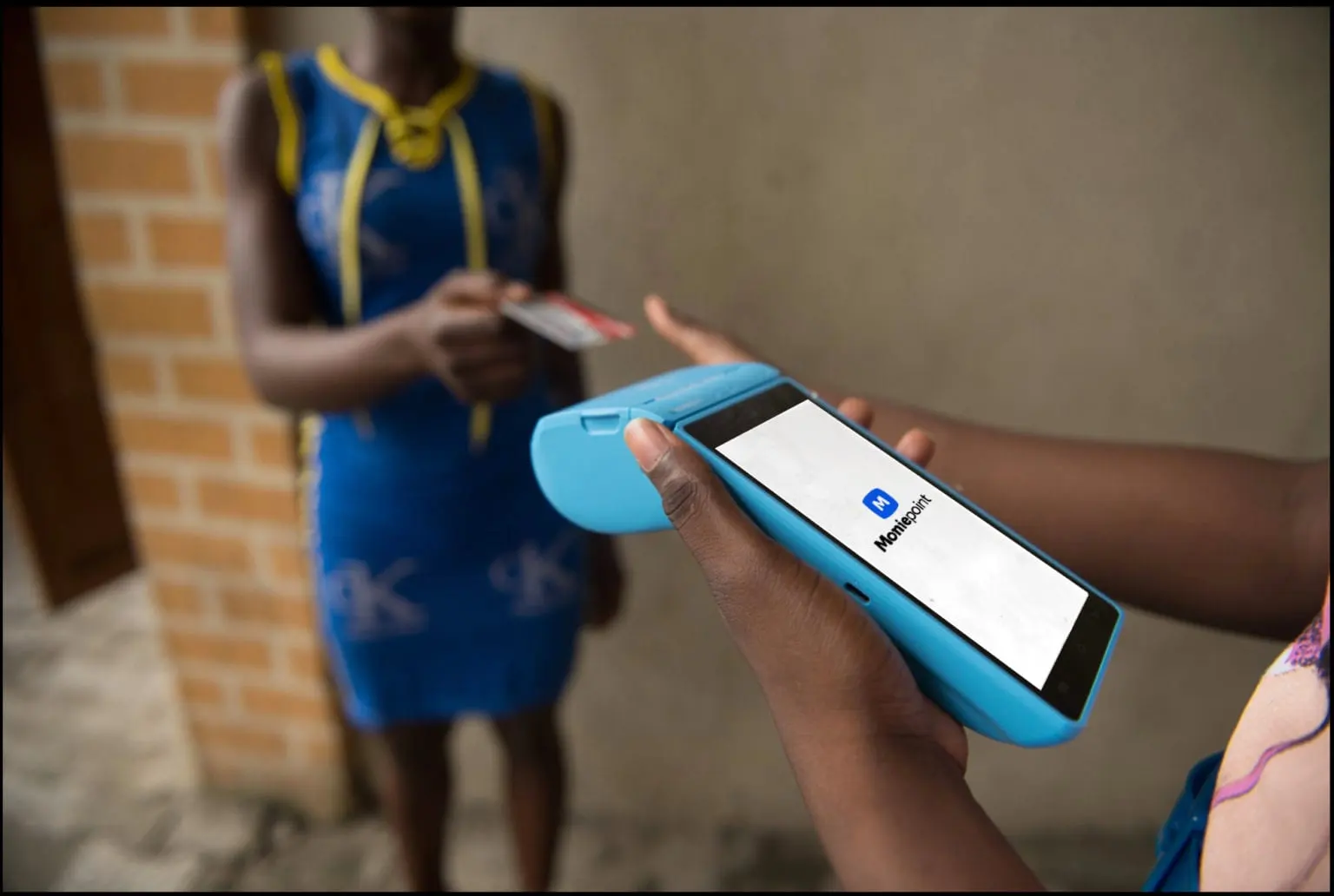
OPay's growth started on the street, not in an app store. By the end of 2018 it had about 3,000 mobile money agents. A year later it had 140,000, according to Opera's financial statements as analysed by Afridigest. Agents with POS terminals in shops and markets let people deposit and withdraw cash near home, and every agent became a local ambassador for the brand.
Move 2: Spend to get there first
OPay raised a $50 million Series A in June 2019 and a $120 million Series B that November, and spent it fast. Its 2019 revenue grew almost 20 times to $16.7 million while its net loss reached $71.5 million, according to Opera's filings as reported by Afridigest. Speed was the strategy: get agents and users before rivals could.
Move 3: Be the one that works on bad days
OPay's biggest gains came when banks failed. In the 2020 lockdowns its monthly payment value grew from about $363 million in January to $1.4 billion by November, Ecofin reports. During the 2022 and 2023 naira redesign cash crunch, bank apps crashed and ATMs ran dry, and OPay's agents became the place to get cash. By October 2023 OPay was the most downloaded app in Nigeria, according to Ecofin.
Move 4: Kill what does not pay
In July 2020 OPay suspended ORide, OCar, OExpress and OFood to focus on payments and financial services, Afridigest reports. Opera's filings show $36 million of 2019 costs went to launching and scaling ORide alone. Walking away from that spend, and the headlines it bought, kept the core business alive.