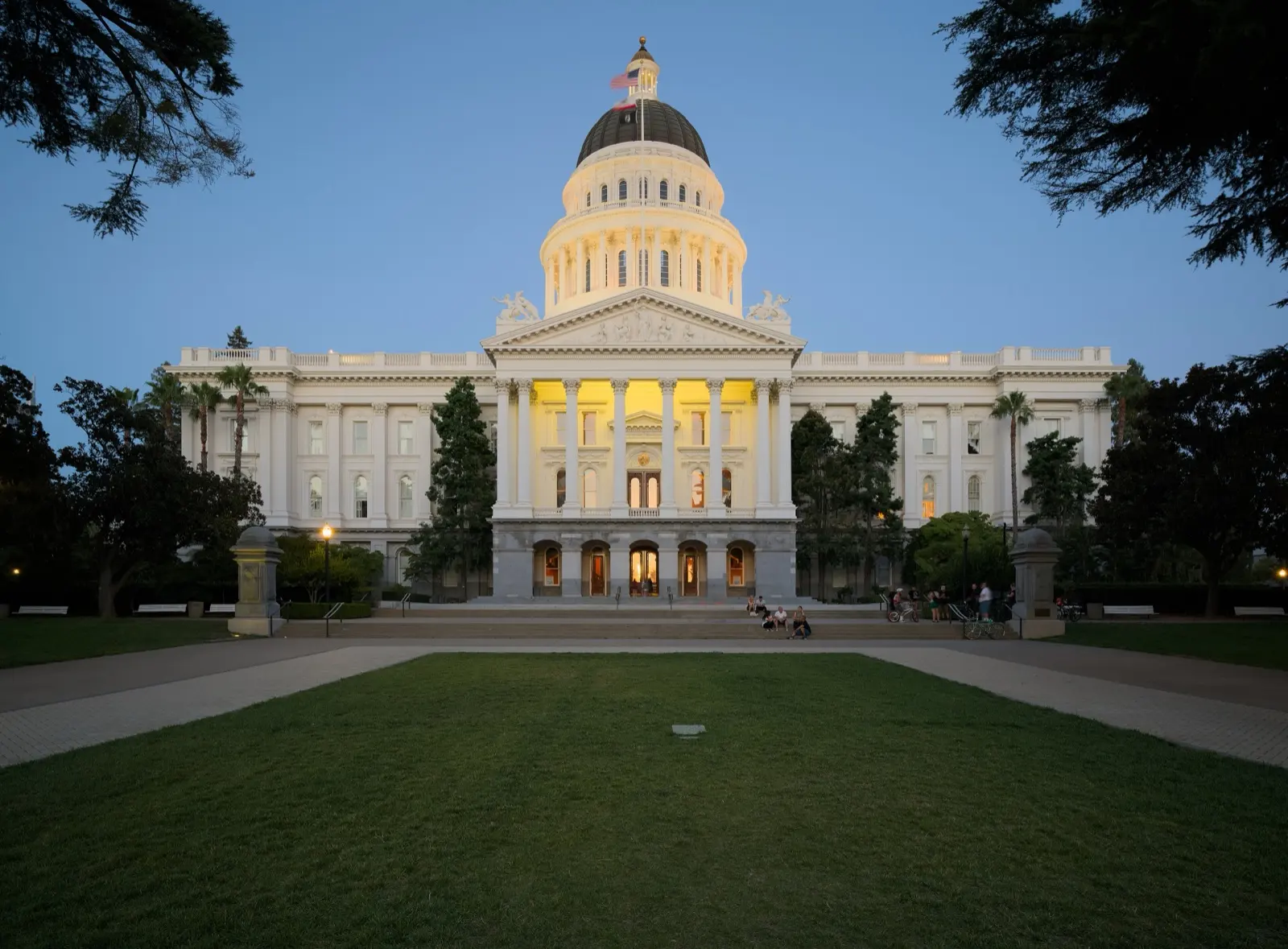
Meta, Google and TikTok have gone to court to stop California's new law on addictive social media features. The three companies filed separate lawsuits on the evening of 4 November against AB 1709, which Governor Gavin Newsom signed in September, Politico reports.
The law bars platforms from giving users under 16 personalised recommendation feeds, such as "For You" pages, endlessly scrolling feeds and autoplaying videos. According to heise online, citing Reuters, Meta sued in federal court in San Francisco, Google in San Jose and TikTok in Los Angeles. California Attorney General Rob Bonta, who enforces the law, is the only defendant.
The companies' case
All three make the same two arguments. First, they say the law violates the First Amendment by forcing them to present content to children the way the state prefers, putting the state's judgment in place of parents'. Meta's complaint says California cannot "override Meta's editorial choices about how to curate and display billions of third-party posts", and leans on a 2024 US Supreme Court decision that it reads as protecting how platforms rank and moderate posts. Second, they say Section 230 of the Communications Decency Act, the federal law that shields platforms from liability for users' content, overrides it.
Google spokesperson José Castañeda called the law "overly broad" and said it would undermine tools that help children find "high-quality, age-appropriate videos", according to Politico. A TikTok spokesperson called it "a blatantly unconstitutional restriction on free expression" and pointed to the app's existing teen safety settings. The companies want the court to declare the law unconstitutional and stop Bonta from enforcing it.
 More from InnovationMTN, Airtel, Glo Sue the House of Reps Over Telco ProbeALTON and four operators asked the Federal High Court to rule on the House's powers, a day after lawmakers ordered security to detain ALTON's delegation.
California's response
Assemblymember Josh Lowenthal, the law's lead author, said he was "hardly surprised" and called the suits "straight out of the big tech playbook". He said the platforms "would rather sue the state than lean into what California families overwhelmingly want". Bonta's office said it was reviewing the filings and is committed to defending California's laws protecting children online.
Regulating design rather than content was meant to keep laws like this clear of free-speech challenges. These cases will test that approach. The fight also sits within a wider push: heise notes that Australia already bans social media for under-16s, the UK Parliament has advanced a minimum age of 16, and Meta settled with several US states over addictive design in August.