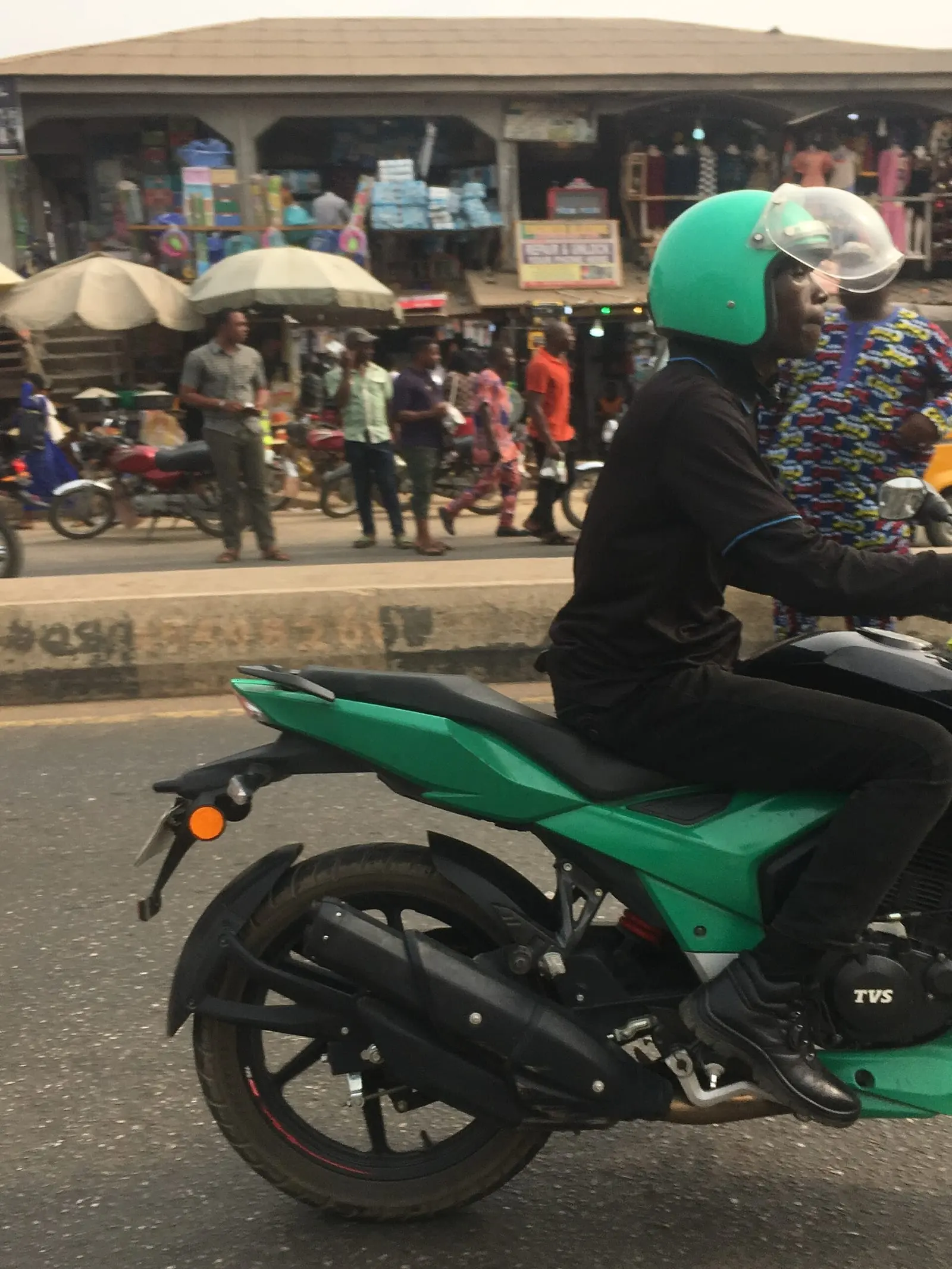
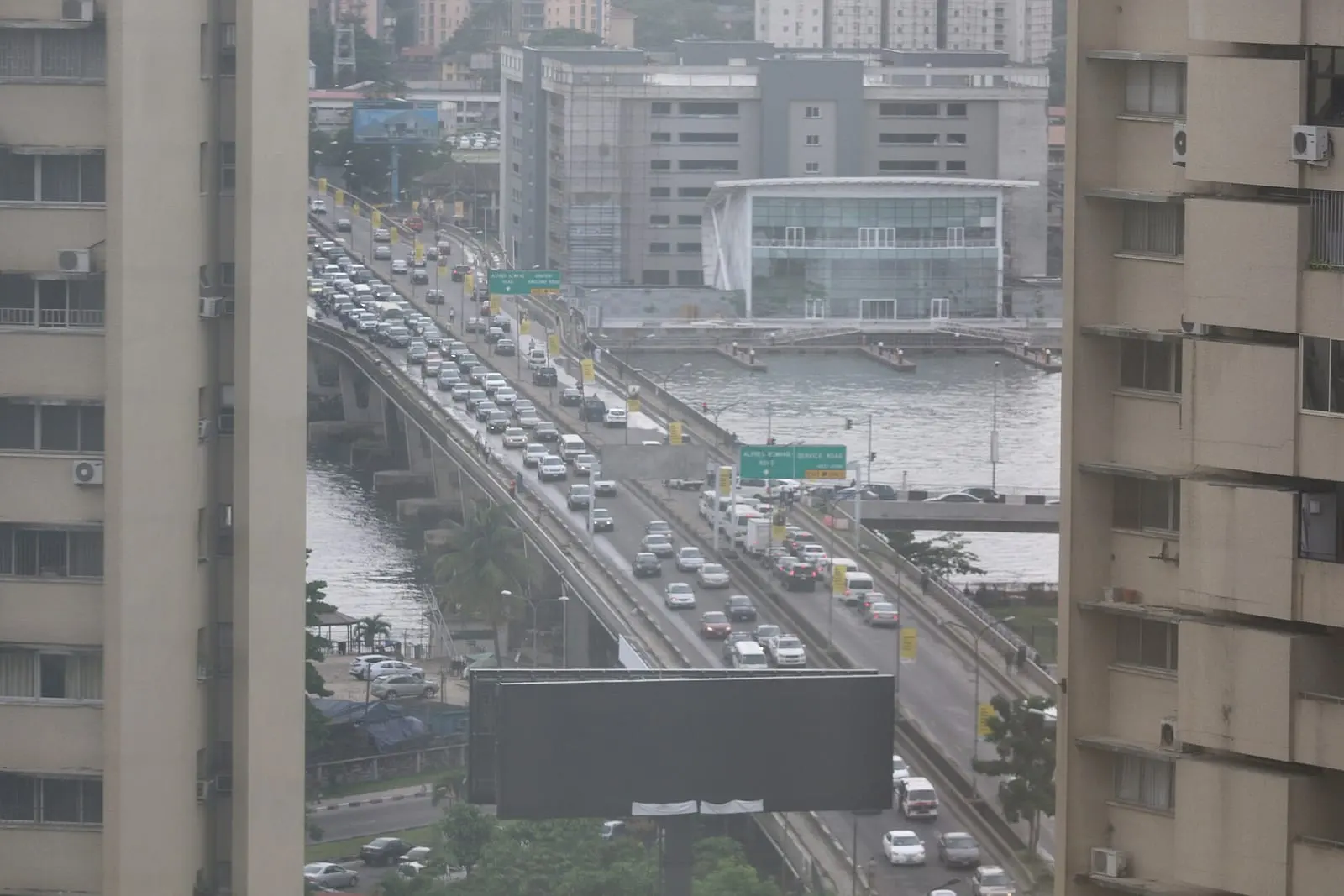
Uber has left Nigeria and Uganda. The company switched off its apps in both countries on 2 September, the same day it announced a global restructuring that cut 10% of its staff, according to Semafor. It still operates in four African countries, including South Africa and Kenya.
Uber's statement cited a review of its global business. It did not point to conditions in either market.
Price won, brand lost
Uber arrived in Lagos in 2014 and, for a while, was the name people used for the whole category. By 2026 that name was no longer enough. Bolt held more than 60% of Nigerian ride-hailing trip volume, according to a survey of more than 3,000 Nigerians reported by Streamline Feed, even though 45% of riders in the same survey said they still preferred Uber.
Price explains much of the gap. EconoTimes, citing Bloomberg, reports that a comparable trip in Nairobi costs about 273 Kenyan shillings on Uber and 220 on Bolt, and that a Johannesburg ride costs about 50 rand on Uber's cheapest option against 39 rand on Bolt.
The subsidy problem
A report by Obi, a ride-hailing price and trip data company, suggests Uber was paying Nigerian drivers more than it charged passengers on trips shorter than about 12 miles, in some cases 23% more, Semafor reports. The analysis covers more than 20,000 rides by more than 300 drivers in the first seven months of 2026.
"Pay had to be subsidized to make drivers willing to take rides. There was just no way for Uber to dig itself out of this pattern," Obi chief executive Ashwini Anburajan told Semafor.
A typical Uber driver in Nigeria completed about 130 rides over that period, just over a tenth of what drivers in South Africa completed, according to the same report.
Who fills the gap
Bolt says Nigeria remains an important market and that it operates in 33 Nigerian cities, according to Streamline Feed. inDrive, which lets riders and drivers negotiate fares, and LagRide, the Lagos-backed service, are the other main options. About 50,000 Nigerian drivers depended on Uber for income, according to a drivers' union quoted by EconoTimes.
Nigeria's Federal Competition and Consumer Protection Commission has opened an investigation into the exit, EconoTimes reports.