Onafriq, the pan-African payments company that operates in about 40 countries, is winding down Baxi, its Nigerian agent banking business, five years after buying it. The company said in a statement on Friday that the offline agent model had become unsustainable, according to TechCabal, which reported the statement on 16 October.
The reasons it gave: inflation, naira depreciation, rising operating costs, lower trading volumes and margin pressure. It added one more that is specific to agent banking, the rapid growth of instant account-to-account transfers, which has changed the mix of transactions that agents handle.
What happens to agents and staff
- Baxi agents have been transitioned to another principal bank and asked to move their funds to their preferred principal bank within 30 days. Onafriq says its teams will support the move.
- Employees whose roles are tied to the agent business will be consulted and supported. Onafriq did not say how many people are affected, TechCabal reported.
- The closure is limited to agent banking. Onafriq says it will continue in Nigeria as a Payment Solution Service Provider, focused on its payments network and card issuing.
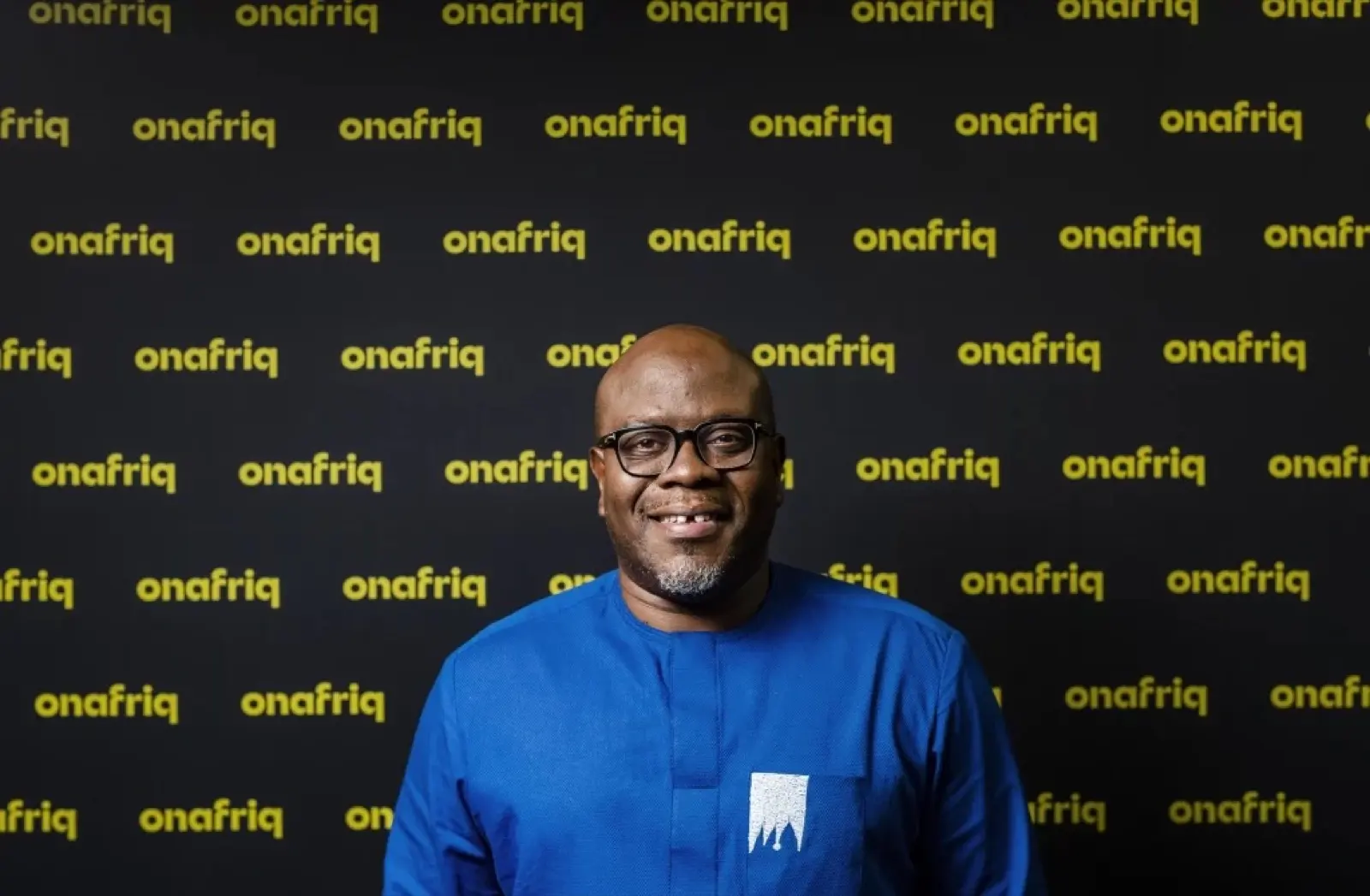
"We entered Nigeria with conviction and commitment, but did not achieve the outcome we set out for," Dare Okoudjou, Onafriq's founder and chief executive, said in the statement quoted by TechCabal. He called the closure a difficult decision that affects colleagues, agents and partners across Nigeria.
How the bet went wrong
Onafriq, then called MFS Africa, announced the purchase of Capricorn Digital Limited, which traded as Baxi, in October 2021. Agents offered cash-in and cash-out, account opening, transfers and bill payments. Nairametrics reports the company kept investing in the network through 2023, and that the operating environment changed significantly from 2024.
The numbers behind that change are stark. TechCabal reports that the naira fell to about ₦1,479 to the dollar in 2024 and that inflation reached 34.8% in December 2024, citing the Central Bank of Nigeria. At the same time, Nigerians moved to instant transfers: TechCabal puts internet transfer volumes at 11.6 billion in the first half of 2024, against 6.3 billion point-of-sale payments, a market Moniepoint, OPay and PalmPay came to dominate.
TechCabal places the decision alongside other fintech retreats from Nigeria this year: Chimoney ceased operations in May and Gigbanc announced a wind-down in July. The lesson for anyone building on agents is in Onafriq's own wording: the offline model was built for a country that paid in cash. Once transfers became free and instant, the agent's job shrank and the cost of the network did not.