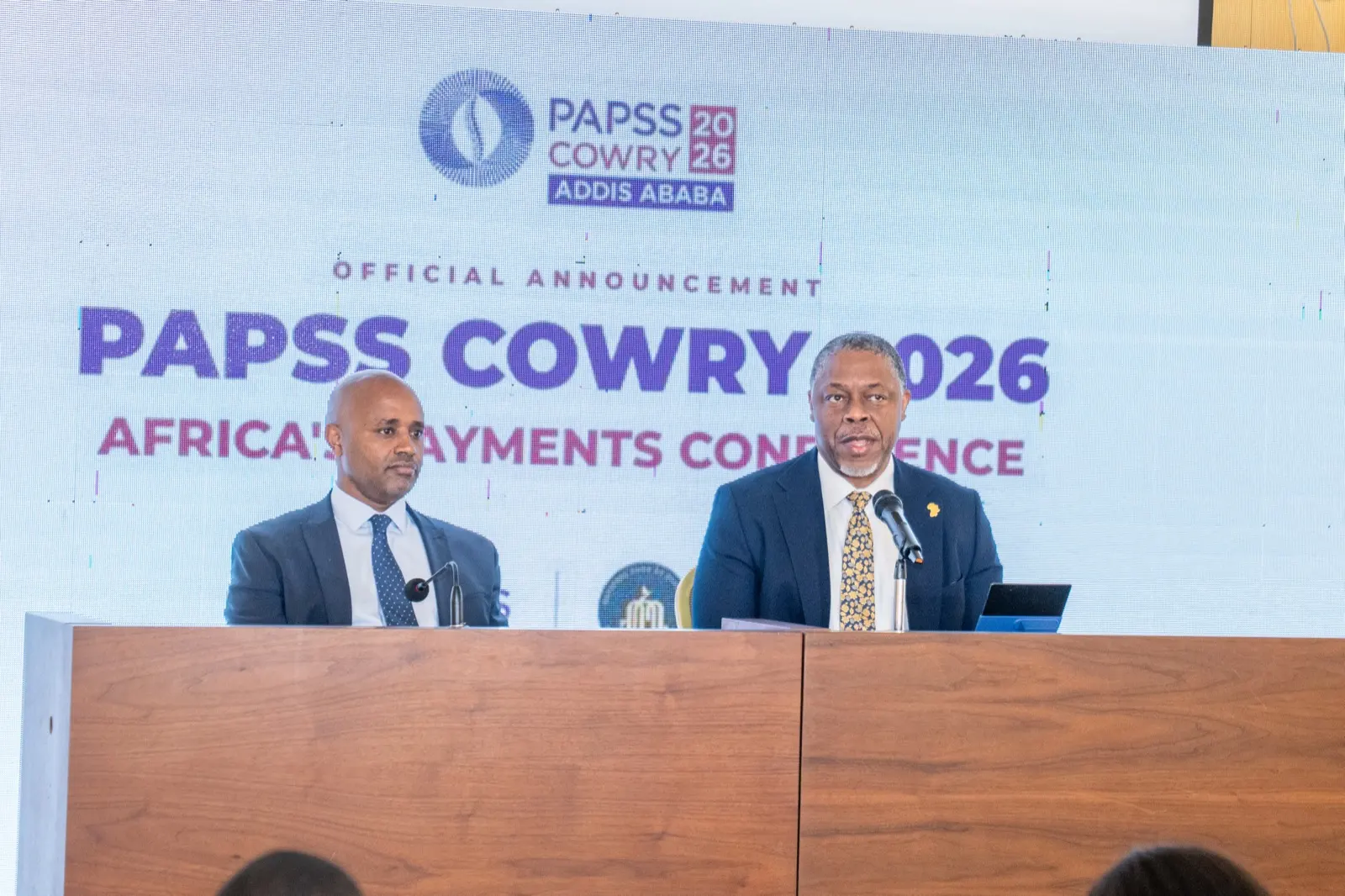
Ethiopia has formally joined the Pan-African Payment and Settlement System, the Afreximbank-backed network that lets African banks settle cross-border payments in local currencies. National Bank of Ethiopia governor Eyob Tekalign and PAPSS chief executive Mike Ogbalu III announced it at a joint press conference on 15 October, on the sidelines of the Ethiopia Finance Forum in Addis Ababa, according to a release distributed by APO Group on behalf of Afreximbank.
"Ethiopia's integration into the PAPSS network represents an important step" in modernising the country's financial system and deepening its economic ties with the rest of Africa, Tekalign said in the release. Ogbalu called it "an important milestone" that connects Ethiopian institutions to a growing continental payments infrastructure.
What joining does and does not do
PAPSS was set up under the auspices of Afreximbank, the African Union and the AfCFTA Secretariat. Its promise is that a business in Addis Ababa can pay a supplier in Lagos or Nairobi with the payment settled in African currencies, rather than through a correspondent bank in New York or London that adds conversion steps, delays and fees, as Ecofin Agency describes it.
The central bank's membership opens the door. It does not walk anyone through it. Ethiopian financial institutions can now connect to the network, but TechTrendsKE reports that actual access depends on each institution implementing the integration, and tech.africa notes that the announcement named no first banks and gave no date for the first live transactions.
- Network size: more than 30 African countries, 24 central banks, 200-plus commercial banks and payment service providers and 16 switches, according to Afreximbank figures reported by tech.africa.
- Recent joiners: the Bank of Central African States, which covers the six CEMAC countries, joined in July, and the Democratic Republic of Congo's central bank joined in September, per Ecofin Agency. Afreximbank says about 10 countries joined during 2026.
Addis Ababa hosts the next PAPSS conference
The same announcement confirmed that Ethiopia will host PAPSS COWRY 2026, the network's second payments conference, on 26 and 27 November at the Ethiopian Skylight Hotel. The theme is "Scaling Africa's Sovereign Payments: From Continental Connectivity to Global Integration", and the organisers expect more than 1,000 delegates.
The story to watch is which Ethiopian banks connect first and when the first cross-border payment actually settles. PAPSS said in September that its next phase is less about adding countries and more about getting banks, fintechs and switches to use the rails already built.
- Afreximbank, via APO Group: Ethiopia joins PAPSS network as National Bank of Ethiopia and PAPSS announce the 2nd edition of COWRY in Addis Ababa
- TechTrendsKE: Ethiopia joins PAPSS as banks prepare to enable cross-border payments
- tech.africa: Ethiopia joins PAPSS cross-border payment system
- Ecofin Agency: Ethiopia joins PAPSS to enable cross-border payments in African currencies