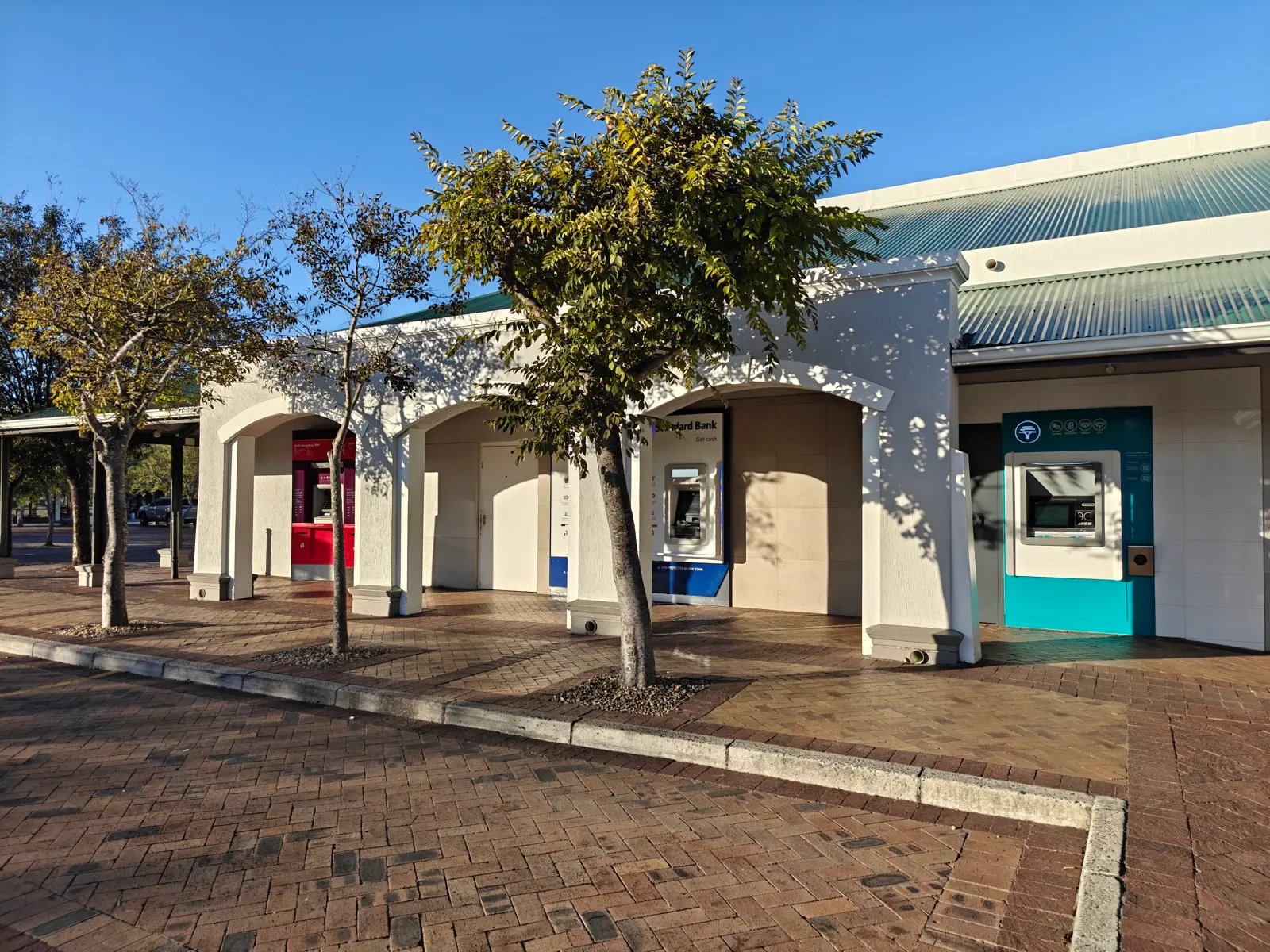
South Africa's central bank wants every ATM in the country stripped of its bank branding and opened to every customer, with small transactions free. Pradeep Maharaj, executive director of the Reserve Bank's Payments Ecosystem Modernisation programme, set out the plan on 16 October, according to TechCentral. "We are asking banks to white-label all ATMs," he said.
The country has about 30,600 ATMs. Around 9,200 of them are run by independent deployers and do not accept cash deposits, according to 2024 figures from the Reserve Bank's cost of cash study cited by TechCentral. Under the plan, every machine would have to handle deposits, withdrawals and balance enquiries.
Free below a threshold, and no more disloyalty fee
Transactions below a threshold that has not yet been set would be free. Maharaj also criticised what he called the "disloyalty fee", the charge a customer pays for using another bank's machine when their own bank's ATM is out of order, TechCentral reports. Fee details are still under discussion, BusinessDay adds.
- November 2026: the Reserve Bank responds to the alternative models banks have submitted. A standardised QR+ payment code is also due, meant to let small merchants accept digital payments without transaction fees.
- January 2027: the white-label ATM pilot begins.
- March 2027: a national cash utility is established, consolidating the cash centres, transport routes and systems that banks and cash-in-transit firms now run separately. Maharaj said it would be wholly owned by the Reserve Bank.
- End of 2027: the first batch of white-label ATMs is deployed in phases.
Why a central bank is redesigning cash
Cash still accounts for 56% of consumer transactions by volume in South Africa, according to the figures TechCentral reports. Arif Ismail, head of the Reserve Bank's national payment system department, said about R180 billion in cash sits in the system and costs about R90 billion a year to manage. The burden falls unevenly: consumers earning up to R1,250 a month spend about 5% of their income on cash-related costs, against about 1% for those earning R20,000 or more.
Maharaj was explicit that this is not a cashless project. "Cash is a public good and core to inclusivity," he said, as quoted by BusinessDay. Branch and ATM closures in rural and lower-income areas have created what the Reserve Bank calls cash deserts.
For Nigeria and Kenya, where ATMs are vanishing and agents fill the gap, this is a different answer to the same cost problem: treat the cash network as shared infrastructure, not a competitive asset.